Waking Up to Empty Pockets and Big Financial Dreams
Look, walking into a bank with zero assets to your name feels like showing up to a massive test you did not study for. You need a loan, but the second the manager asks what you can offer as collateral, your stomach simply drops. I completely get it. But here is a little secret most people never realize: banks actually want to give you their money, even if you do not own a fancy house or a brand-new car. Let me show you exactly how to flip the script and get approved based entirely on your daily money habits.
This exact scenario plays out every single day for thousands of hardworking people trying to get ahead in life. You might be working tirelessly, paying your rent on time, and managing your daily grocery expenses perfectly. Yet, when an unexpected medical emergency hits or an amazing business opportunity knocks, the lack of physical assets becomes a massive roadblock. This frustrating situation creates a heavy cloud of anxiety that follows you everywhere you go.
Quick Takeaways: How to Borrow Without Assets
- Cash flow beats property: Regular, on-time paychecks matter just as much to lenders as owning a house.
- Credit utilization is your secret weapon: Keep your card balances near zero to look like a perfectly safe bet.
- Branch relationships win: You will have much better luck applying at the local branch where you already do your daily banking.
- Say no to shady lenders: Avoid payday loan shops at all costs; stick to local credit unions or trusted peer-to-peer online platforms.
Breaking Down the Wall: How Financial Institutions Actually Think
Many people believe that without a house or a shiny car, stepping into a branch is a total waste of time. I used to think the exact same way until I learned how the lending system actually evaluates a human being. The truth is, banks want to give you their money because that is exactly how they make their profits. They just need to feel incredibly safe about handing over their cash without a physical asset to back it up.
When you apply for unsecured funds, the lending officer looks at a completely different set of rules to judge your reliability. They rely heavily on your financial track record, your daily money habits, and the consistency of your monthly deposits. You have to stop thinking about what you lack and start focusing on the powerful data you can actually provide.
To win this game, you must learn to speak their language and present yourself as a low-risk, highly responsible borrower. It is all about shifting the spotlight from physical property to your undeniable ability to manage debt responsibly.
Your Invisible Asset: Mastering the Credit Persona
Think of your credit history as a detailed financial report card that follows you everywhere you go. When you do not have property to pledge, this three-digit number becomes your absolute best friend and your strongest asset. Lenders look at this score to instantly predict how you will behave if they hand you a large sum of money.
A high score tells the computer algorithm that you are a person of your word who respects deadlines. If your score is currently low, you need to pause your application and start doing some serious cleanup work right away. Start by pulling your free credit report online and carefully scanning it for any silly errors or accidental missed payments.
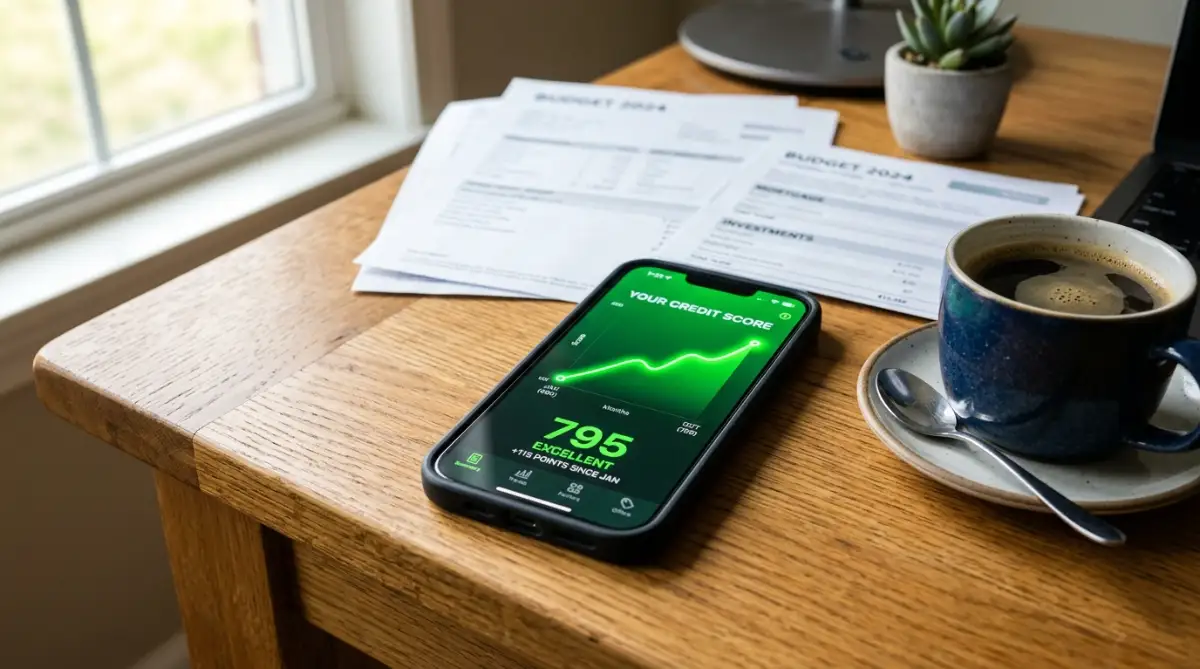
Pro Tip: When I first started rebuilding my financial profile, I realized I had an old, forgotten phone bill dragging my score down. I quickly paid off that tiny fifty-dollar debt, and my score jumped up significantly within just a few weeks.
Sometimes, boosting your numbers is as simple as asking your current credit card provider to increase your spending limit. This automatically lowers your overall credit utilization ratio, which is a massive green flag for any automated lending system. Always aim to keep your total card balances below thirty percent of your allowed limit to look highly responsible.
Myth vs. Fact: The 30% Utilization Rule
- The Common Myth: Keeping a small balance on your credit card helps build your score faster.
- The Real Fact: Paying your balance down to $0 right before your statement closes is the absolute best way to boost your numbers. Automated lending systems love seeing a zero balance because it proves you do not rely on credit to survive your daily life.
Want to understand exactly how your credit limit impacts your approval odds? Watch this detailed breakdown below to master the system.
Cash Flow is the New King of the Lending World
Without a house to fall back on, the lender needs concrete proof that you make enough money to comfortably survive. They calculate something called the debt-to-income ratio, which basically measures how much of your paycheck goes toward existing bills. If you earn three thousand dollars a month but spend two thousand on debts, the bank will definitely hesitate.
They want to see a wide, comfortable gap between your monthly earnings and your fixed financial obligations. To prove your stability, you need to gather at least three to six months of pristine, uninterrupted pay stubs. If you are a freelancer or a small business owner, you will need to provide highly organized tax returns and bank statements.
You must show a clear, predictable pattern of money entering your checking account on a regular, reliable basis. If your income bounces around wildly from month to month, lenders will view you as a high-risk gamble. Consider picking up a steady side job for a few months just to show a more consistent, predictable income flow on paper.
Building a Bulletproof Relationship With Your Branch
We often forget that there are actual human beings working behind those thick glass counters at the local branch. Building a strong, trusting relationship with a specific financial institution can drastically improve your chances of getting approved. Start by simply moving your main checking and savings accounts to the specific branch where you eventually want to apply.
Set up direct deposit with your employer so the manager sees regular, healthy amounts of cash flowing into their system. Use their debit card for your daily purchases and log into their mobile banking app frequently. These small actions slowly build an internal profile that shows you are an active, loyal, and engaged customer.
When it is finally time to ask for funds, walking into a branch where you are already known makes a massive difference. A manager who sees your consistent, positive account history is much more likely to fight for your approval. They can often push your application through manual underwriting, bypassing the strict automated computer rejections.
Preparing the Ultimate Documentation Folder
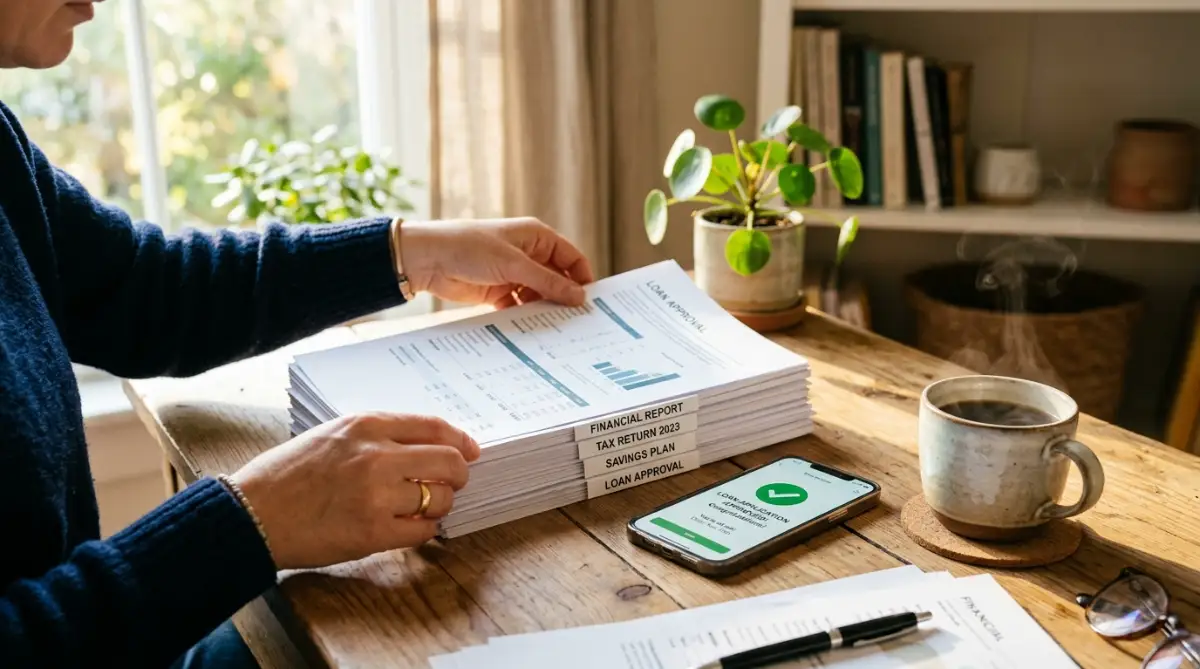
Walking into a meeting completely unprepared is the fastest way to get your application instantly denied. When you ask for unsecured money, you need to look incredibly professional, organized, and serious about your financial future. Buy a clean physical folder and organize your documents meticulously so the officer does not have to hunt for information.
Print out your most recent utility bills to clearly prove your current residential address and stability. Include a polite, well-written letter from your employer confirming your job title and the exact length of your employment. If you have any additional income sources, like a small online business, include printed spreadsheets showing those exact profits.
When you hand over a perfectly organized binder, you immediately signal to the officer that you are a highly responsible individual. This simple psychological trick builds instant trust and makes the person processing your paperwork naturally want to help you. It shows you respect their time and fully understand the seriousness of borrowing money without offering physical security.
Exploring Alternative Lending Avenues
If the big traditional institutions keep saying no, do not let that completely destroy your hope for funding. Credit unions are fantastic local alternatives that operate strictly as non-profit organizations focused entirely on their community members. They are known for being much more forgiving and willing to look at your personal character rather than just a computer score.
Because they are smaller, credit union officers actually have the power to listen to your personal story and make human decisions. Another highly effective option is looking into peer-to-peer lending platforms that operate entirely on the internet. These modern platforms connect everyday investors directly with people who need to borrow money for personal or business reasons.
Since these online platforms have much lower operating costs than physical branches, they can often approve lower credit profiles. They use different types of data, like your educational background and work history, to determine if you are a safe bet. Always read the fine print carefully, as some alternative options might come with slightly higher interest rates to offset their risk.
The Power of Adding a Co-Signer
Sometimes, no matter how hard you try to clean up your profile, your numbers are just not strong enough yet. This is exactly when you should consider bringing a trusted friend or family member into your application process. A co-signer is someone with an excellent financial track record who legally promises to pay the debt if you fail to do so.
By attaching their strong reputation to your application, the bank suddenly feels incredibly safe handing over the funds. However, you must treat this strategy with the utmost respect and extreme caution to protect your personal relationships. If you miss a single payment, you will instantly damage their excellent score and potentially ruin a lifelong friendship.
Sit down with your potential co-signer and show them a detailed, realistic written plan of how you will make the monthly payments. Give them complete peace of mind by setting up automatic transfers so they never have to worry about you forgetting a due date. This level of extreme transparency will make them much more comfortable risking their good name to help you succeed.
Staying Away from Predatory Traps
When you are desperately searching for cash without assets, you become a prime target for shady, aggressive lending companies. Payday loan centers and title loan shops often aggressively advertise fast, easy approvals with zero credit checks required. You must avoid these toxic places at all costs, as their hidden fees and massive interest rates are designed to trap you permanently.
They thrive on keeping vulnerable people locked in a vicious cycle of rolling over small debts into massive, unmanageable nightmares. If a deal sounds incredibly easy or completely too good to be true, your inner alarm bells should immediately start ringing. A reputable lender will always carefully check your background because they genuinely want to make sure you can afford the payments.
Take a deep breath, exercise immense patience, and stick to the slow, steady methods of proving your financial worth. Focus entirely on reducing your current debts, protecting your personal data, and building genuine trust with established, respectable institutions.
Mastering the Art of the Interview
When you finally secure an in-person meeting with a loan officer, treat it exactly like a highly important job interview. Dress in clean, professional clothing to silently communicate that you take this financial transaction incredibly seriously. Maintain strong eye contact, offer a firm handshake, and speak confidently about your plans for the money.

If they ask about a past mistake on your financial record, do not try to hide it or make silly excuses. Own up to the error, explain exactly what unexpected life event caused it, and proudly share the steps you took to fix it. Lenders highly respect honest people who show genuine accountability and a strong desire to improve their habits.
Ask them smart, thoughtful questions about their specific interest rates, repayment terms, and any hidden processing fees. This flips the dynamic completely, showing them that you are an educated consumer carefully shopping for the best possible deal. When you project this level of calm confidence, the officer naturally feels much more secure about fighting for your approval.
By fully understanding exactly what lenders are looking for, you can completely change the outcome of your applications. You no longer have to feel small or defeated simply because you do not own a piece of real estate or a luxury vehicle. Your strong character, your consistent income, and your careful money habits are the most powerful forms of security you could ever possess. Focus heavily on building these invisible assets every single day, and the doors to financial opportunity will eventually swing wide open for you.
Next-Level Strategies for Asset-Free Borrowing
Now that you understand the basic mindset of financial institutions, it is time to look at some highly advanced tactics. These are the exact methods smart borrowers use to get their applications pushed to the very top of the approval pile. When you lack physical security, you have to prove your reliability through undeniable, hard financial data.
One of the most effective secrets is intentionally timing your application around your credit card billing cycles. Most people do not realize that their credit score constantly fluctuates throughout the month based on when institutions report balances. If you pay down your existing card balances exactly three days before the statement closing date, your profile will look incredibly clean.
This simple timing trick temporarily boosts your numerical score, making you look like a highly desirable candidate. You can learn more about these subtle timing strategies and smart ways to qualify for low-interest unsecured bank loans to save yourself hundreds of dollars.
Another incredibly powerful strategy is adding alternative data to your traditional financial profile. For decades, the system only rewarded people who already had mortgages or expensive car payments. Today, you can use official services to report your everyday utility bills, internet payments, and monthly rent directly to the major reporting agencies.
By voluntarily sharing this data, you show the automated systems that you have a long history of paying heavy bills on time. The Consumer Financial Protection Bureau explains how alternative data is slowly changing the way modern lenders evaluate everyday consumers. It gives you a massive advantage over other applicants who only rely on standard credit cards to prove their worth.
The Power of a Flawless Employment Narrative
Lenders love stability more than almost anything else in the financial world. If you have been jumping from job to job every few months, alarm bells will immediately start ringing in their system. To counter this, you need to craft a rock-solid narrative about your career path and future earning potential.
If you recently changed careers, bring a printed copy of your new employment contract showing a clear salary increase. You have to paint a picture that shows your income is only going up, making you a completely safe bet. Always highlight any regular annual bonuses, consistent overtime pay, or guaranteed commissions you receive.
If you run a side hustle, make sure that money flows into a dedicated business account rather than your personal checking. This creates a clean, easily traceable paper trail that proves you have multiple streams of reliable cash flow. Sometimes, simply showing a secondary income source is exactly what pushes a hesitant branch manager to finally stamp your approval.

The Silent Application Killers You Must Avoid
The road to getting funded is completely paved with hidden traps that catch completely well-meaning people off guard every single day. One of the most heartbreaking things I see is people destroying their own chances simply out of sheer panic and desperation. When you urgently need cash, it is incredibly tempting to apply at five different places all on the exact same afternoon.
This is known as the "shotgun approach," and it is absolutely the worst mistake you can possibly make. Every single time you submit an official application, the system triggers a hard inquiry on your permanent record. According to the official guidelines from FICO regarding credit inquiries, racking up multiple checks in a short time signals extreme financial distress.
The computer algorithm instantly assumes you are drowning in secret debts and panicking for a lifeline. This drops your score significantly and causes lenders to reject you before a human even looks at your paperwork. Instead of blindly guessing, you should read up on how to get approved for a personal loan quickly by targeting only the institutions that match your specific profile.
Ignoring the Dangerous Fine Print
Another massive mistake is getting so excited about an initial approval that you completely ignore the actual repayment terms. Unsecured borrowing naturally comes with higher interest rates because the institution is taking on all the risk without a physical safety net. However, some places sneak in brutal prepayment penalties that punish you for trying to clear your debt early.
They do this because they want to milk you for maximum interest payments over the entire life of the agreement. You must carefully review the documentation and actively watch out for hidden personal loan fees that can cost you more than expected. If a representative tries to rush you through the signing process, take a deep breath and ask them to slow down.
Always ask directly if there are any origination fees, late payment traps, or mandatory insurance add-ons secretly baked into the monthly price. A trustworthy institution will happily walk you through every single line item without showing any frustration. If they get defensive or try to distract you, politely stand up, gather your documents, and walk right out the door.
Borrowing Far More Than You Actually Need
When a friendly manager suddenly offers you ten thousand dollars, and you only came in asking for five, the temptation is absolutely real. You start imagining buying a new laptop or finally taking that weekend vacation you have been dreaming about. This is a very common psychological trap that keeps hardworking people chained to endless monthly payments.
You must strictly calculate exactly how much cash you need to solve your immediate problem and refuse to take a single penny more. Every extra dollar you accept today is a dollar you will have to pay back with heavy interest tomorrow. If you are trying to clean up past mistakes, focus entirely on how to find the best debt consolidation loans from banks rather than acquiring new spending money.
Taking too much also drastically increases your monthly obligation, which puts your daily household budget under massive, unnecessary stress. Stick rigidly to your original plan, show immense self-discipline, and treat this borrowed money purely as a temporary tool, not a lottery win.
The Dangers of Predatory Online Scams
As you search the internet for flexible approval options, you will inevitably run into extremely flashy advertisements promising guaranteed funds. These websites usually feature countdown timers, aggressive blinking buttons, and promises of instant cash regardless of your past history. The Federal Trade Commission strictly warns consumers about predatory lending operations that disguise themselves as legitimate financial helpers.
They often ask for an upfront "processing fee" before they supposedly release your funds, which is a massive red flag. A real, legally compliant institution will never ask you to pay money directly out of your own pocket just to get approved. If you ever feel pressured, confused, or threatened by a representative over the phone, immediately hang up and block their number.
You can still find amazing, safe options online if you know where to look and take your time researching. For example, comparing the best banks for large unsecured personal loans from trusted, national brands is a much safer route to take. Protect your personal identity and your hard-earned cash by always verifying the physical address and official licenses of any company you deal with.
Real Questions People Ask About Asset-Free Borrowing
Can I really get approved if I have a completely blank credit history?
Yes, but you will definitely need to start small and prove your worth over time. Without previous history, you should rely on your consistent employment records and regular bank deposits to show stability. Sometimes, asking a trusted family member to help is the easiest way to get your personal loan without a cosigner later on, once your own score grows.
How long does it usually take to receive the funds after I sign the papers?
If you apply at a modern institution with fully automated systems, you can often see the cash in your account by the next morning. However, traditional branches might take three to five business days to manually verify your employment and identity documents. Always ask the loan officer for an exact timeline so you can plan your upcoming bills accordingly.
Will checking my rates online instantly lower my personal score?
Most reputable online platforms now use a soft inquiry just to show you your potential interest rates and monthly terms. This soft check does not damage your score or leave a permanent mark on your public record. You can safely do a smart personal loan comparison to find the best deal before fully committing to a hard credit pull.
What type of income proof works best for gig workers and freelancers?
Since you do not have standard corporate pay stubs, you need to rely heavily on your official tax documents from the past two years. Accompany these with at least six months of consecutive, highly detailed business bank statements. Lenders just want to see a predictable, steady average income rather than huge, unpredictable spikes and long dry spells.
What happens if I suddenly lose my job and cannot make the monthly payment?
The worst thing you can do is hide from the bank and let your account fall into complete default. The moment you lose your job, call your lender immediately and explain your situation honestly. Many major institutions have hardship programs that can temporarily pause your payments or lower your interest rate while you find new employment.
Your Roadmap to Financial Confidence
Navigating the complex world of banking without a safety net of physical assets can definitely feel incredibly intimidating at first. However, once you understand the actual rules of the game, you gain a massive sense of control over your own future. You now know that your daily habits, your prompt payments, and your clean financial history are incredibly valuable tools.
You no longer have to walk into a manager's office feeling small, unprepared, or desperate for a random lucky break. By organizing your paperwork perfectly and speaking confidently about your steady income, you command genuine respect from the person sitting across the desk. Remember to fiercely guard your credit profile, avoid applying out of panic, and always read every single line of the fine print.
Getting approved without collateral is entirely possible for anyone willing to put in a little bit of disciplined, focused effort.
A Personal Note Before You Go:
I know exactly how stressful it feels to stare at a mounting pile of bills while feeling completely ignored by the traditional banking system. But I promise you, taking just one small step today to clean up your credit report will dramatically shift your momentum in a positive direction. Believe in your own worth, stay highly organized, and never let a temporary financial hurdle stop you from building the life you truly deserve.
Disclaimer: The information provided in this blog post is strictly for educational and informational purposes only and should not be considered professional financial advice. Borrowing money carries inherent risks, and approval criteria vary widely between individual lending institutions. Always consult with a certified financial advisor or a trusted legal professional before signing any legally binding loan agreements or taking on new personal debt.