Facing Financial Emergencies With an Empty Wallet
Got hit with a medical bill or sudden car repair and your bank account is looking uncomfortably close to zero? Look, I get it. The sheer panic of needing cash yesterday, without having anything to offer a bank as backup, is enough to make anyone lose sleep. But before you do something desperate, let me walk you through how I handle these sudden cash crunches safely—without risking everything I own.
When you are hit with a sudden expense, the lack of immediate cash ruins your mental peace entirely. You start losing sleep, tossing and turning while calculating numbers in your head that simply do not add up. The everyday joy of life disappears because your brain is constantly stuck in survival mode. You might even consider asking friends or family for help, but the embarrassment and fear of rejection always hold you back. It is a lonely, isolating feeling that makes it hard to focus on your work or your loved ones.
Ordinary people face this exact nightmare every single day due to car breakdowns, sudden home repairs, or unexpected health issues. The traditional financial system is simply too slow to help when you are counting minutes instead of days. Waiting around for a bank manager to review a tall stack of paper documents feels like pure torture when you have an emergency.

Quick Survival Guide (Key Takeaways):
- Automated digital platforms can now approve you based on bank history, completely skipping collateral.
- Always freeze your main accounts and use a separate, secondary checking account to manage your new payments.
- Protect your identity by running a 5-minute safety check on the lender before handing over your personal details.
- Never use public Wi-Fi to upload your tax documents or bank statements.
The Mechanics Behind Collateral-Free Borrowing
Understanding how money works online today can completely change your financial reality. We are going to walk through the exact logical steps you need to take to secure funding without pledging your personal property. These methods are backed by how modern financial algorithms actually calculate your trustworthiness.
The Truth About Digital Trust and Fast Decisions
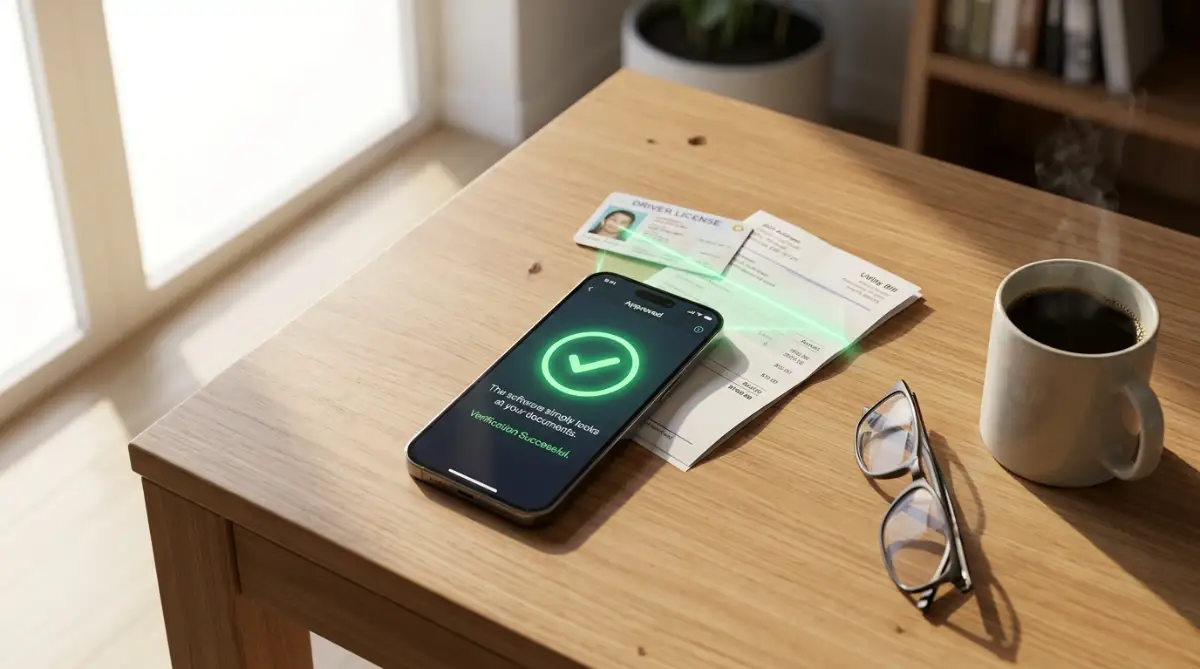
When you apply for funds without offering collateral, lenders rely entirely on your financial history to make a decision. They use highly advanced automated systems that can read your credit profile in seconds. This means no human is sitting at a desk manually reading your application for hours on end.
The software simply looks at your past borrowing behavior, your current income, and your overall debt. If your numbers align with their specific safety formulas, the system gives an automatic green light. This completely removes the old-school waiting period that used to drive us all crazy.
Pro Tip: I used to think applying for multiple options at once would increase my chances of getting money faster. I learned the hard way that this actually damages your credit score temporarily, making it even harder to get approved anywhere. Always check rates using platforms that only perform a soft pull on your credit report.
Watch This Before You Apply for Any Online Funds
Quick Checklist: Safe Platform vs. Predatory Trap
Before you hit "submit" on any application, run it through my personal safety checklist. I use this every single time:
- Upfront Fees: Safe platforms ask for $0 upfront. Traps ask for "processing fees" before approval.
- Contact Info: Safe platforms show a real physical address and a working phone number. Traps only have a generic contact form.
- Credit Check: Safe lenders perform a "soft pull" first. Traps claim "No Credit Check Ever!" (Huge red flag).
Understanding the exact difference between safe online platforms and risky payday lenders will save you thousands of dollars in hidden fees.
Preparing Your Profile for an Instant Green Light
You cannot control a sudden financial emergency, but you can absolutely control how lenders view your profile. The biggest mistake most people make is applying blindly without checking what the automated systems will see first. Take ten minutes to download your current credit report and look closely at the open accounts.
If there are glaring errors or accounts that do not belong to you, the algorithm will automatically reject your application. You need to ensure your reported income matches exactly what you can prove with bank statements. Discrepancies between your stated income and your actual deposits are the top reason for sudden delays.
Keep your current credit card balances as low as possible before hitting the submit button. Lenders calculate your debt-to-income ratio to see if you can handle another monthly payment comfortably. If your credit cards are maxed out, the automated system assumes you are already financially drowning.
Myth vs Reality: Unsecured Borrowing
Let us clear up some of the biggest misunderstandings that keep people from finding the right help. There is a lot of bad advice floating around on social media that simply is not scientifically true.
Myth: You need a perfect credit score to get approved without collateral.
Reality: Many modern digital platforms specialize in helping people with average or fair histories by looking at current banking data instead of just past mistakes.
Myth: The interest rates are always exactly the same as illegal loan sharks.
Reality: While rates are higher than secured borrowing, reputable online platforms offer highly competitive, fixed rates that are heavily regulated by the government.
Myth: The application process will permanently ruin your financial standing.
Reality: Almost all top-tier lenders now use soft inquiries just to show you what you qualify for, leaving your score completely untouched.
The Comparison Matrix: Traditional vs Modern Systems
To really understand why you should look online for fast approvals, you need to look at the raw facts. Here is a simple breakdown of how different systems operate when you are in a rush.
Recognizing Red Flags and Protecting Your Identity
When you are desperately searching for cash, your brain naturally ignores obvious warning signs. Scammers know exactly how vulnerable you feel, and they build fake platforms designed to steal your information. You must train yourself to spot these traps before you hand over your sensitive data.
A legitimate financial institution will never ask you to pay an upfront fee just to process your application. If someone asks you to buy gift cards or wire money as a "security deposit," you are talking to a criminal. Legitimate platforms deduct any necessary origination fees directly from the funded amount, never from your own pocket beforehand.
Always look closely at the website address to ensure it is secure and matches the company name perfectly. Check independent review websites to see what real humans are saying about their actual experiences with the platform. Trust your gut feeling; if an offer sounds completely impossible, it almost certainly is a trap.
Gathering the Right Proof for the Algorithm
Even though the process is completely digital, the system still needs hard proof that you are who you claim to be. Having your digital documents ready on your computer before you apply will cut your waiting time in half. Algorithms love clear, easily readable data that they can cross-check instantly against national databases.
First, you will need a clear, well-lit photo of your government identification ready to upload. Second, download your last two months of bank statements in PDF format directly from your banking app. Avoid taking screenshots of your bank app, as many automated verification systems will instantly reject them for security reasons.
Finally, have your most recent pay stubs or tax documents organized in a single folder on your desktop. When the system asks for income verification, you can simply drag and drop the files without frantically searching your house. This level of preparation shows the lender that you are responsible and organized, which speeds everything up.
Understanding the True Cost of Your Borrowing
Getting approved fast is an amazing feeling, but you need to understand exactly what that speed costs you. Every financial agreement comes with specific numbers that dictate your future monthly budget. You need to look far beyond just the monthly payment amount to see the whole picture.
Focus heavily on the Annual Percentage Rate, because this number includes both the interest and any hidden platform fees. A platform might offer a low interest rate but hide massive origination fees in the fine print. The APR gives you the exact scientific measurement of how much this money is truly costing you per year.
Never sign any digital agreement without checking the rules regarding early repayment. Sometimes you might get a sudden bonus at work or a tax refund, and you want to clear your debt early. Ensure the lender does not charge a penalty fee just because you want to pay them back faster than agreed.
How to Use the Funds Responsibly
Once the money hits your checking account, it is incredibly tempting to use it for things outside the original emergency. You must stay strictly disciplined and use the funds exactly for what you originally planned. Buying a new phone or going out for a fancy dinner with borrowed money will just create a bigger disaster next month.
Pay the medical bill, fix the car, or repair the roof immediately the same day the funds arrive. Keep the rest of the money entirely separate from your daily spending cash to avoid accidental purchases. You worked incredibly hard to secure this financial bridge, so do not burn it down with impulsive decisions.
Set up automatic payments immediately so you never have to remember when your due date is. Missing even a single payment on an unsecured agreement will severely damage your credit standing for years. By treating this responsibility with serious respect, you build a stronger financial profile for any future needs.
Insider Strategies to Keep Your Borrowing Costs Down
Securing the funds you need is just the beginning of your financial journey. The real challenge comes right after the money hits your bank account. I want to share some expert-level secrets that completely changed how I handle emergency borrowing.
One major realization I had was that you never want to accept the very first offer you see. Lenders are basically competing for your business, even when you feel desperate. By taking ten extra minutes for mastering smart personal loan comparison, you can easily save hundreds of dollars in interest.
The Separate Account Strategy
Most people mix their borrowed funds directly into their main checking account. This is a massive mistake because the money simply blends in with your grocery and gas budget. Before you know it, you accidentally spend part of your emergency cash on daily expenses.
Instead, ask your bank to open a free, secondary checking account strictly for managing this new debt. Transfer the exact amount of your monthly payment into this account every single payday. This creates an invisible wall around your money, ensuring you never miss a due date.
Leveraging Your New Payment History
Did you know that handling this debt correctly can actually make you look amazing to future lenders? Every time you make a full, on-time payment, the algorithm records it as a huge positive mark. According to the Federal Trade Commission guidelines on credit, your payment history is the single biggest factor in calculating your trustworthiness.
If you ever need a mortgage or a car in the future, this positive history will open doors for you. Just focus on understanding how to get approved for a personal loan quickly using safe methods, and your financial profile will grow stronger. You are essentially building a solid brick house for your financial future.
Avoiding the Minimum Payment Trap
When times are tough, paying only the minimum amount feels like a smart way to save cash. However, this is exactly how lenders make their biggest profits off ordinary people. If you only pay the minimum, you end up paying interest on top of your interest.
I always recommend dividing your monthly payment in half and paying it every two weeks instead of once a month. This simple math trick results in one extra full payment per year without you even feeling the pinch. Experts at the Consumer Financial Protection Bureau strongly suggest paying more than the minimum to escape debt faster.
Real-Life Math Check:
Let me show you exactly why paying the minimum is a terrible idea. Imagine you borrow $2,000 at an 18% APR.
If you only pay the minimum $40 a month, it will take you over 7 years to pay it off, and you will hand over $1,800 just in interest! But if you bump that payment up to $100 a month, you are debt-free in under two years and save almost $1,400. That is your hard-earned money staying in your pocket.

Financial Traps That Keep People Broke
Making a mistake with unsecured borrowing does not just hurt your wallet; it ruins your peace of mind. I have watched close friends fall into terrible traps simply because they were panicking about money. Let us look at the absolute worst moves you can make when you are in a rush for cash.
Ignoring the Fine Print Details
We all naturally hate reading long pages of boring legal text. However, skipping the terms and conditions is like walking into a dark room while blindfolded. Lenders sometimes bury hidden personal loan fees in the middle of a dense paragraph.
Always look for words like "origination fee," "prepayment penalty," or "late payment surcharge." If the platform refuses to explain these charges in plain English, close the website immediately. You want a lender who is proud of their transparency, not one who hides behind confusing jargon.
Borrowing for Lifestyle Instead of Emergencies
Unsecured funds should act like a fire extinguisher for your budget. You only use a fire extinguisher when something is actually burning. Taking out high-interest money to fund a luxury vacation or buy a designer watch is a guaranteed way to stay poor.
If you do not have a safety net, you need to learn how to get your personal loan without a cosigner specifically to handle real crises like medical bills or home repairs. Using emergency money for temporary fun will eventually lead to sleepless nights.
Smart Moves vs. Dangerous Moves:
- Do This: Borrow only the exact amount you need to cover the specific emergency bill.
- Not That: Borrowing extra "just in case" because the lender offered you a higher limit.
- Do This: Set up an automatic payment plan the very same day you receive the cash.
- Not That: Waiting until the last minute each month and hoping you have enough left over.
Falling for Guarantee Scams
If a website promises a "100% Guaranteed Approval" regardless of your background, run away fast. Legitimate financial institutions always run some form of risk assessment before handing out money. Scammers use these promises to steal your social security number and bank details.
Always verify a lender by checking trusted sources like the National Foundation for Credit Counseling or reading real user reviews. You can also look for low interest unsecured bank loans from well-known platforms with a solid history of protecting consumer data. Your personal identity is worth far more than a quick cash fix.
Your Next Steps Toward Financial Relief
Dealing with a sudden money shortage is incredibly stressful, but you are now equipped with the exact knowledge to fix it safely. You understand how the algorithms work, how to protect your identity, and how to avoid the most dangerous traps. The power is completely in your hands to bridge this gap without risking your personal property.
Remember to take a deep breath, gather your digital documents, and only apply for what you truly need. By exploring the best banks for large unsecured personal loans, you can find a fair deal that respects your budget. Use the official FDIC consumer assistance resources if you ever feel confused about your banking rights.
I know exactly how heavy the weight of financial stress feels on your shoulders. My biggest advice to you right now is to stop worrying about the problem and start taking small, organized steps toward the solution. You absolutely have the strength to manage this smartly and come out even stronger on the other side.
Top Questions Borrowers Ask Before Applying
Will checking my rates hurt my credit score?
No, most reputable online platforms use a "soft pull" to show you potential offers. This means you can check your rates across different websites without any negative impact on your financial profile.
Can I pay off the balance earlier than planned?
Yes, the best digital lenders actively encourage early repayment and do not charge extra for it. Just make sure to double-check the agreement for any hidden "prepayment penalties" before you officially sign.
How fast will the money actually reach my account?
If you apply on a weekday morning and provide all the right digital documents, you can often see the funds by late afternoon. In most cases, it takes roughly one full business day to clear your bank.
Do I need a steady job to qualify?
You do not strictly need a traditional 9-to-5 job, but you absolutely must prove you have a steady stream of income. Algorithms will accept freelancing income, retirement benefits, or business earnings as long as they show up regularly on your bank statements.
Bonus Strategy: What to Do If the Algorithm Says No
Sometimes, even when you prepare everything perfectly, the automated system might still reject your application. This can feel like a massive punch to the stomach when you are already dealing with a cash shortage. However, a digital rejection is never the end of your financial journey. You just need to pivot and try a slightly different approach.
If you get a rejection notice, immediately check your email for the "Adverse Action Notice." Lenders are legally required to send you a document explaining exactly why their system denied your request. Usually, it comes down to a high debt-to-income ratio or a sudden drop in your credit history. Once you know the exact reason, you can spend a few weeks fixing that specific problem before applying anywhere else.
During this waiting period, you might want to look into how to create multiple income streams to temporarily cover your emergency. Selling old electronics, doing quick freelance gigs, or organizing a weekend garage sale can sometimes bridge the gap without needing external funds. Remember, a rejection is just a temporary roadblock, not a permanent reflection of your personal worth.
Alternative Options for Instant Relief
If you cannot wait to fix your profile, you still have some safe alternatives to explore. Credit unions are fantastic local institutions that often look past the raw algorithm data. They are non-profit organizations, which means they actually care about helping their community members through tough times.
You can walk into a local credit union, sit down with a real human being, and explain your exact situation. If you have been a member with them for a while, they might offer you a small emergency fund based purely on your character and banking history.
Another option is to ask your hospital or mechanic for an in-house payment plan. Most service providers would much rather accept small weekly payments directly than send your bill to a harsh collections agency. You just have to swallow your pride, pick up the phone, and ask for a hardship arrangement. You would be surprised at how often people are willing to negotiate if you communicate honestly.
Protecting Your Digital Privacy During the Process
Applying for funds online means you are transmitting your most sensitive personal data across the internet. Your social security number, bank login details, and home address are highly valuable targets for cybercriminals. Before you type your information into any application form, you need to lock down your digital security.
Never apply for financial assistance using a public Wi-Fi network at a coffee shop or a library. Hackers frequently sit on these open networks waiting to steal banking information as it passes through the air. Always use your secure home internet connection or your cellular data when filling out the forms.

I highly recommend setting up a system to choose the right antivirus for your computer before downloading bank statements or tax documents. A simple malware scan takes five minutes but saves you from years of identity theft headaches. If you share a computer with family members, consider using a shared password manager to keep your banking credentials completely locked away from accidental leaks.
Building a Long-Term Safety Net
The ultimate goal is to never feel this specific type of financial panic again. Once this current emergency is handled and the borrowed money is fully paid off, you need to shift your focus. You must start building your own internal safety net so you become your own lender in the future.
Start by saving just twenty dollars a week automatically into a separate high-yield savings account. You will barely notice that small amount missing from your regular paycheck. Over time, this tiny habit builds a thick wall of protection against unexpected car repairs, medical bills, or sudden job losses.
Financial peace of mind is not about being rich; it is simply about being prepared. By understanding the truth behind personal injury claims or hidden insurance traps, you stop relying on borrowing and start relying on your own smart planning.
Disclaimer
The information provided in this article is for educational and informational purposes only. It does not constitute financial, legal, or professional advice. I am not a certified financial advisor, and the strategies shared are based on personal experience and general industry research. Always consult with a licensed financial professional or credit counselor before making any major financial decisions, signing loan agreements, or sharing your sensitive personal data online. Rates, terms, and approval requirements vary heavily by lender and personal financial circumstances.