The Heavy Weight of Carrying Multiple Debts Every Month
Let's be honest—juggling five different credit card bills, a car loan, and random medical expenses is exhausting. Every time my phone rang, my stomach dropped, thinking it was another debt collector. I finally got tired of the sleepless nights and decided to figure out how to merge all that mess into one single, manageable payment. Here is exactly how I did it, and how you can do the same.
When you have to remember five different passwords for five different websites, something always goes wrong. I missed a payment once just because I forgot the due date was on a Sunday instead of a Monday. That tiny mistake dropped my credit score and cost me an extra fifty dollars in fees. It is exhausting to live this way, and it drains your mental energy. You can't focus on your work or your family when your brain is constantly calculating interest.
The reality is that managing multiple high-interest debts is like trying to carry a dozen eggs in your bare hands. Eventually, one is going to drop and make a mess. I needed a way to put all those eggs into one sturdy basket. That is when I started looking into how banks can help people like me. I needed a professional solution that didn't involve shady lenders or high-risk "quick fixes."
Finding a way out requires a clear plan and a bit of bravery. I had to be honest with myself about how I got into that mess. But more importantly, I had to be proactive about getting out of it. There is a specific kind of relief that comes when you realize there is a path forward. I want to share that path with you today so you don't have to spend another night shaking at your kitchen table.
Quick Summary: How to Actually Consolidate Your Debt
- Calculate everything first: Make a master list of all your debts and interest rates before you ever walk into a bank.
- Compare the numbers: Look for a fixed-rate personal loan that is significantly lower than your current credit card rates.
- Lock up the plastic: Once you pay off the credit cards with the loan, stop using them so you don't double your debt.
- Pay yourself first: Treat your new, single monthly payment like a non-negotiable bill, just like your rent.
Turning the Tide: Why Your Local Bank Might Have the Answer
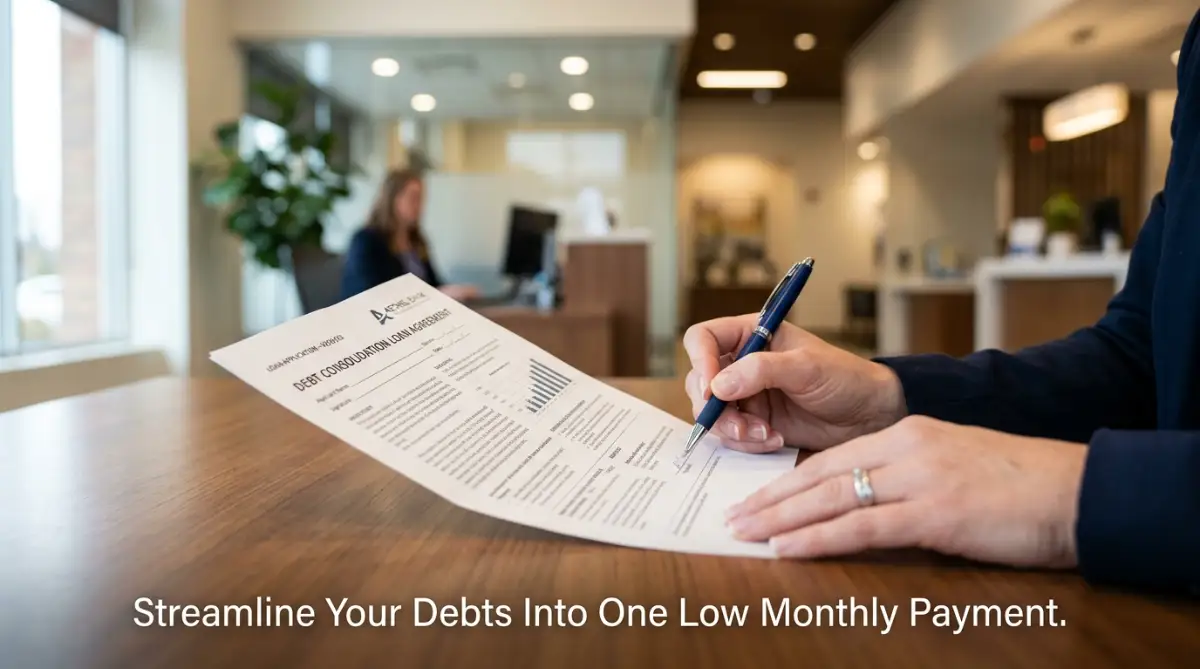
Banks are often seen as big, cold buildings, but they offer some of the most stable financial tools available. When I finally walked into my bank to ask about debt consolidation, I was surprised. They had programs specifically for people who wanted to combine their high-interest credit cards into one single loan. This is what we call a debt consolidation loan, and it can change your life. It works by taking out one large loan to pay off all your smaller, more expensive debts.
The first big win with this method is the interest rate. Credit cards often charge 20% or even 30% interest, which is honestly robbery. Banks, on the other hand, usually offer personal loans at a much lower rate if you have decent credit. By switching to a bank loan, you could cut your interest rate in half. This means more of your money goes toward the actual balance instead of just paying for the "privilege" of owing money.
Wait, Let's Clear Up a Quick Myth vs. Fact:
- Myth: Consolidating debt with a bank loan hurts your credit score forever.
- Fact: You might see a tiny 3 to 5 point drop at first because the bank checks your history. But paying off maxed-out credit cards actually boosts your score within a few short months!
Another huge benefit is having just one due date. Imagine only having to think about your debt once a month instead of five times. It makes your life so much simpler and reduces the chance of missing a payment. You can set up an automatic transfer from your checking account and then forget about it. This simplicity was the biggest factor in reducing my daily anxiety. I finally felt like I was in control again.
A Simple Path to Organizing Your Financial Life
Before you run to the bank, you need to do a little bit of homework at home. I call this the "Master Debt List" phase. You need to write down every single person or company you owe money to. Include the total balance, the monthly payment, and most importantly, the interest rate. When I did this, I was shocked to see that I was paying over three hundred dollars a month just in interest. That was money going straight into the trash.

Once you have your list, look at the total amount you owe. This is the number you will ask the bank for. You don't want to borrow more than you need, but you also don't want to borrow less. The goal is to wipe the slate clean for every single small debt on that list. Having a clear number in your head makes you look prepared and serious when you talk to a loan officer.
Next, you need to check your credit score. Banks use this number to decide how much interest they will charge you. If your score is low, don't panic yet. Some banks have special programs for loyal customers, or you might find a co-signer to help you get a better rate. Knowing your score before you walk in helps you manage your expectations. It is better to know the truth than to be surprised by a rejection later.
Comparing Different Bank Offers Without Getting Confused
Not all bank loans are the same, and you should definitely shop around. I checked with my primary bank first, but then I looked at a few others in my area. Some banks offer "fixed-rate" loans, which means your payment never changes. This is great for budgeting. Others might offer "variable rates," which can start low but might go up later. I always suggest going with a fixed rate so you have peace of mind.
Here is a quick look at why moving from a credit card to a bank loan makes mathematical sense:
Look closely at the "term" of the loan, which is how long you have to pay it back. A longer term means your monthly payment will be smaller, but you will pay more interest over time. A shorter term means higher monthly payments but you will be debt-free much faster. I chose a middle ground that allowed me to breathe but still pushed me to pay it off in three years. You have to find the balance that fits your specific monthly budget.
Also, watch out for hidden fees. Some banks charge an "origination fee" just for setting up the loan. Others might charge you a penalty if you try to pay the loan off early. You want a loan that is transparent and doesn't punish you for being responsible. Always ask the banker to give you the "Truth in Lending" disclosure. This paper lists every single cost associated with the loan in plain English.
Pro Tip: When I was looking for a loan, I made a small mistake. I applied at four different places in one day. I later realized that this can sometimes hurt your credit score temporarily. My advice is to do your research online first, then only apply at the one or two banks that truly fit your needs. It keeps your credit file much cleaner.
The Logic Behind Lower Interest and Faster Repayment
There is a simple math trick that makes bank loans better than credit cards. It is called "amortization." With a credit card, your interest is calculated every single day on the balance you owe. If you don't pay it off, the interest itself starts earning interest. This is how a small debt turns into a mountain. A bank loan is different because it has a set schedule where you know exactly when the debt will end.
Seeing that "end date" on paper is incredibly motivating. When you pay a credit card, it feels like throwing money into a black hole. But with a bank loan, you can see that in thirty-six months, you will owe zero dollars. It gives you a goal to work toward. Every payment feels like a step toward freedom. This psychological shift is just as important as the lower interest rate.
Watching a video about how these loans work can really help you understand the numbers better. Sometimes seeing a chart or a person explaining the math makes it all click.
This video explains exactly how to compare bank loans and avoid common traps.
Understanding the numbers and the process can feel overwhelming, but seeing it visually makes all the difference. Check out this expert breakdown from NerdWallet that simplifies how bank consolidation loans work and what you need to watch out for to regain your financial stability.
Preparing Your Documents for a Smooth Approval
Banks love paperwork. To make the process fast, you should gather everything before you even fill out the application. You will usually need your last two years of tax returns, your most recent pay stubs, and a list of your monthly expenses. I kept all of these in a bright yellow folder so I wouldn't lose them. Being organized shows the bank that you are responsible and ready to handle a new loan.
They will also want to know about your "Debt-to-Income Ratio." This is just a fancy way of asking how much of your paycheck goes toward bills. If too much of your money is already spoken for, the bank might be worried. By showing them that this loan will actually lower your monthly costs, you make a strong case for approval. You are not asking for more debt; you are asking for better debt.
Don't be afraid to explain your situation to the banker. I told my loan officer exactly what happened with my medical bills. Bankers are human beings too, and they often want to help people who have a clear plan for recovery. If you show them that you have learned from your past and are ready for a fresh start, they are much more likely to work with you on the terms.
How to Avoid Falling Back Into the Same Debt Habits
Getting the loan is only half the battle. The biggest danger is that once your credit cards are paid off to zero, you might be tempted to use them again. I had to physically hide my cards in a drawer to stop myself from spending. If you pay off your cards with a bank loan and then run up the card balances again, you will have twice as much debt. That is a nightmare scenario you must avoid at all costs.
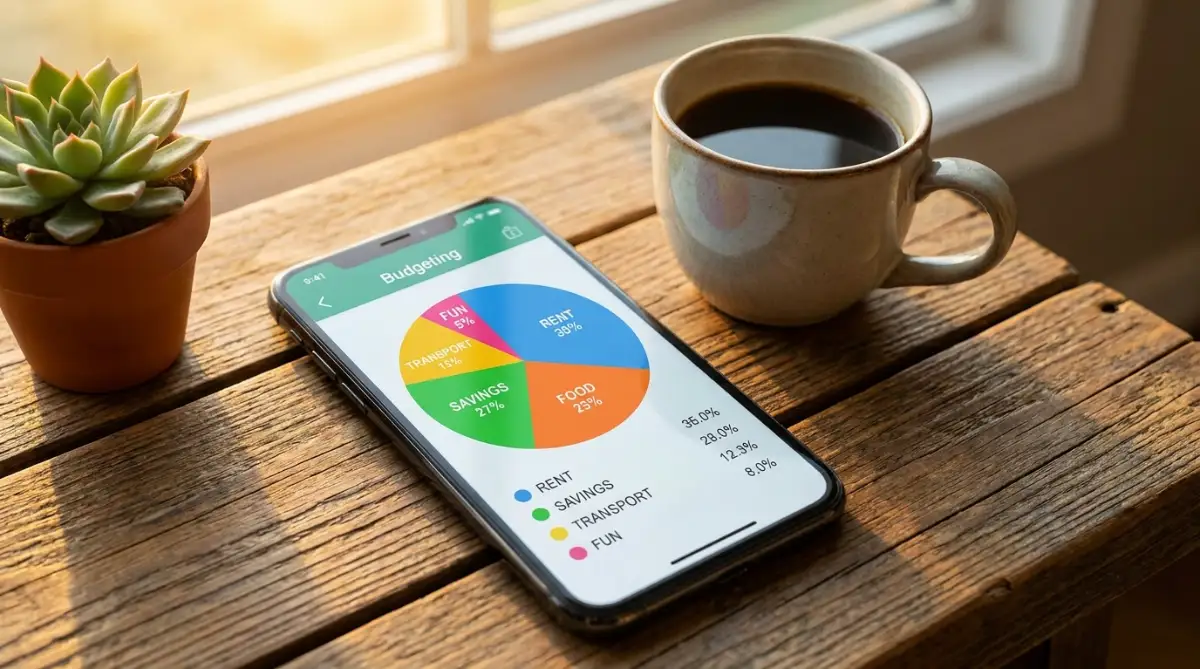
Use this fresh start to build a real budget. I started using a simple pen-and-paper method to track every dollar I spent on groceries and gas. When you only have one loan payment to worry about, budgeting becomes much easier. You can finally start putting a little bit of money into a savings account for emergencies. This "emergency fund" is what will prevent you from needing your credit cards in the future.
It takes time to change how you think about money. I had to learn to say "no" to things I couldn't afford with cash. But the feeling of seeing my bank loan balance go down every month was better than any shopping trip. You have to value your freedom more than you value new things. Once you make that mental switch, you are on your way to a lifetime of financial peace.
The Science of Why One Payment is Better for Your Brain
Research shows that "decision fatigue" is a real thing. When you have too many small tasks, your brain gets tired and makes poor choices. By consolidating your debt, you are removing a huge amount of mental clutter. You no longer have to worry about five different companies. This allows your brain to focus on more important things, like your career or your family.
When my stress levels went down, my productivity at work actually went up. I wasn't spending my lunch breaks on the phone with credit card companies anymore. I was focused and calm. This is why many financial experts suggest bank loans as the first step in a debt recovery plan. It isn't just a financial move; it is a mental health move. You are giving yourself the space to breathe and think clearly again.
A bank loan also helps your credit score in the long run. By paying off those high-interest credit cards, your "credit utilization" drops. This is a big part of how your score is calculated. Over time, as you make your bank loan payments on time, your score will climb higher and higher. This opens up even better financial opportunities for you in the future, like buying a home with a low-interest mortgage.
Final Thoughts on Choosing the Right Bank Partner
Not every bank is perfect for everyone. Some people prefer big national banks because they have great mobile apps. Others prefer small local credit unions because they offer a more personal touch. I personally liked my local credit union because they took the time to sit down with me and look at my whole financial picture. They didn't just see me as a number on a screen.
Take your time to read reviews and ask friends for recommendations. If a bank has a lot of complaints about bad customer service, stay away. You want a partner who will support you throughout your journey to becoming debt-free. This is a long-term relationship, so make sure you feel comfortable and respected by the people you are working with.
You are making a big decision for your future, and you should feel proud of that. Taking action is the hardest part. Once you have the right bank loan in place, the rest is just about staying the course. You have the tools, you have the plan, and now you have the knowledge to make it happen. Your journey to financial freedom starts with that first conversation at the bank.
Smart Ways to Make Your Bank Loan Work Harder for You
Getting your loan approved is just the start of your journey. Many people think they can just set up a payment and forget about it. But if you want to win at this game, you need a few pro-level secrets. I learned the hard way that a little bit of extra effort can save you thousands of dollars in the long run.
One of the best things you can do is look into fixed-rate personal loans to ensure your payments never surprise you. When your interest rate stays the same, you can plan your life with total confidence. I always suggest checking with small local credit unions as well as big banks. You can use tools provided by the National Credit Union Administration to find a reputable credit union near your home.
Often, these smaller institutions offer better rates because they are owned by their members. I found that my local credit union was much more willing to listen to my story than a giant national bank. They might even give you a discount if you set up automatic payments from a checking account with them. This "loyalty discount" is a hidden secret that many people miss because they don't ask.
Another advanced trick is to make "bi-weekly" payments instead of monthly ones. This sounds simple, but the math is powerful. By paying half of your monthly bill every two weeks, you end up making thirteen full payments in a year instead of twelve. This extra payment goes straight to the principal of the loan. It can shave months or even years off your debt timeline without you even noticing the change in your budget.
Negotiating Your Way to a Better Financial Future
Never accept the first offer a bank gives you without doing a smart personal loan comparison first. You have more power than you think when you have a decent credit score. I once took a written offer from one bank and showed it to another bank down the street. They actually lowered their interest rate by a full point just to get my business.
Banks are competing for your business, and you should use that to your advantage. If you have been a customer at your bank for a long time, remind them of that loyalty. Ask the loan officer if there are any "preferred customer" rates available that aren't advertised on their website. It feels a bit scary to ask, but the worst they can say is no.
You should also keep a close eye on your credit report during this time. You can get a free report from AnnualCreditReport.com to make sure there are no errors holding you back. If you find a mistake and get it fixed, your score might jump up by thirty or forty points. This small change could qualify you for an even lower interest rate on your next loan.
Staying on Track for Long-Term Success
The real secret to staying debt-free is not just about the loan; it is about your mindset. I started treating my loan payment like a non-negotiable bill, just like my rent or electricity. I made sure it was the very first thing that left my bank account on payday. This "pay yourself first" mentality ensures that you never spend the money on something you don't really need.
You should also look into best banks for large unsecured personal loans if you have a significant amount of debt to move. These banks specialize in high-balance transfers and often have systems built for speed. I found that having a larger loan at a lower rate was much easier to manage than three smaller ones. It simplifies your life and keeps your focus on one single goal.
If you ever get extra money, like a tax refund or a work bonus, put it toward the loan immediately. Do not wait until the end of the month to see what is left over. By the time the end of the month comes, that money will likely be gone on small, useless things. Putting a surprise five hundred dollars toward your loan can save you a lot of interest over time.

Hidden Traps and Common Slip-ups to Watch Out For
Even with the best intentions, it is very easy to make a mistake that costs you money. One of the biggest pitfalls is not reading about hidden personal loan fees before you sign the papers. I once saw a friend get hit with a massive "pre-payment penalty" because they tried to pay off their loan early. The bank actually charged them money for being responsible and paying ahead of schedule.
You must check for "origination fees" which can be taken right out of the loan amount. If you need exactly ten thousand dollars to pay off your credit cards, but the bank takes a three percent fee, you will only get ninety-seven hundred. This leaves you with three hundred dollars of debt still sitting on your credit cards. Always ask for the "net amount" you will receive in your bank account after all fees are taken out.
Another huge mistake is keeping your credit card accounts open and using them again. It feels good to see a zero balance on your cards, but that empty space can be a temptation. I have seen people consolidate their debt and then run the cards back up within six months. This leaves them with a bank loan and new credit card debt, which is a total disaster.
You should also be careful about "debt relief" companies that promise to talk to the banks for you. Many of these are scams that take your money and leave your credit in ruins. It is always better to work directly with a bank yourself. You can find helpful advice on how to spot these scams on the Federal Trade Commission website.
The Danger of Ignoring Your Real Spending Habits
A bank loan fixes the interest problem, but it does not fix a spending problem. If you don't change how you spend your daily money, you will end up in the same place again. I had to learn the difference between a "want" and a "need." A new pair of shoes is usually a want, but paying your light bill is a need.
I suggest keeping a "spending diary" for at least one month. Write down every single cent you spend, even on a pack of gum. When I did this, I realized I was spending over two hundred dollars a month on coffee and snacks. That was money that could have been going toward my loan. Once you see the numbers on paper, it is much harder to ignore them.
You should also try 5 easy ways to secure personal loans without using your assets if you are worried about your home or car. Many people make the mistake of using their house as collateral for a debt consolidation loan. This is very risky because if something goes wrong, you could lose your home. Sticking with an unsecured loan is a much safer way to handle credit card debt.
Your New Life Without the Weight of Debt
Imagine waking up and knowing that you only have one bill to pay. Think about the peace of mind that comes with knowing exactly when you will be debt-free. This isn't just a dream; it is what happens when you take this path seriously. I felt like a giant weight had been lifted off my shoulders once I had my plan in place.
You can find more ways to how to improve personal loan approval odds even if your past isn't perfect. Everyone makes mistakes with money at some point. The important thing is that you are taking steps to fix it today. Banks respect people who have a clear plan and show they are trying to improve their situation.
Managing your debt well also sets a great example for your family. My kids saw me being careful with money and learning how to budget. It taught them that being responsible is better than having fancy things you can't afford. This lesson is worth more than any amount of money you might save on interest.
Building a Strong Financial Foundation
Once your loan is paid off, don't stop that monthly payment. Instead of sending that money to the bank, start sending it to a high-yield savings account. You are already used to living without that money, so you won't even miss it. This is the fastest way to build an emergency fund that can protect you from future problems.
Having six months of living expenses in the bank is the ultimate security. If you lose your job or your car breaks down, you won't need to reach for a credit card. You can just pay for the repair with your own cash. This is what true financial freedom looks like. It is about having choices and not being a slave to a lender.
I truly believe that anyone can get out of debt if they have the right tools and a little bit of patience. It won't happen overnight, but every single payment brings you closer to the finish line. Stay focused, stay organized, and don't let small setbacks get you down. You are building a better life for yourself and your loved ones, and that is a goal worth fighting for.
Answering Your Biggest Debt Questions
Will a debt consolidation loan hurt my credit score?
When you first apply, you might see a small drop of a few points because the bank does a "hard pull" on your credit report. However, as you pay off your credit card balances, your score will likely go up significantly. Over time, making consistent on-time payments on your loan will build a very strong credit history.
What if my bank refuses my loan application?
Do not lose hope if one bank says no. Every bank has different rules for who they will lend to. You might need to work on your score for a few months or find a co-signer. You can also look for 5 easy ways to secure personal loans without using your assets that might have different requirements.
Should I consolidate my student loans with my bank loan?
Usually, this is not a good idea. Federal student loans have special protections and repayment plans that you will lose if you move them to a private bank loan. It is almost always better to keep your student loans separate and only focus on high-interest consumer debt like credit cards.
How do I know which bank is the most trustworthy?
You should look for banks that are transparent about their rates and fees. Check the Consumer Financial Protection Bureau to see if there are many complaints against a specific bank. A good bank will be happy to answer all your questions without rushing you into a decision.
Can I still use my credit cards for emergencies?
It is better to have a small cash savings for emergencies instead of relying on credit. If you must keep a card, choose one with a low limit and keep it at home. The goal is to break the cycle of debt, and that means changing how you handle unexpected costs.
A Final Word on Taking Control
I know how hard it is to take that first step, but I promise it is worth it. I spent way too many years feeling stuck and hopeless before I finally asked for help. Once I got my bank loan, everything changed for the better. I finally had a light at the end of the tunnel, and I could see my future clearly again.
Don't wait for the "perfect time" to start, because that day will never come. The best time to change your life is right now, while you are thinking about it. You deserve to live a life that isn't controlled by interest rates and monthly bills. Take that first step today and start your journey toward a brighter, debt-free future.
Disclaimer: I am not a professional financial advisor. The information in this article is based on my own research and personal experiences. Loan terms and bank policies change often, so you should always talk to a qualified professional at your bank before making any big financial decisions. Your credit score and income will affect your ability to get a loan and the interest rate you are offered.