The Hidden Stress of Owning Solar Panels and How I Overcame It
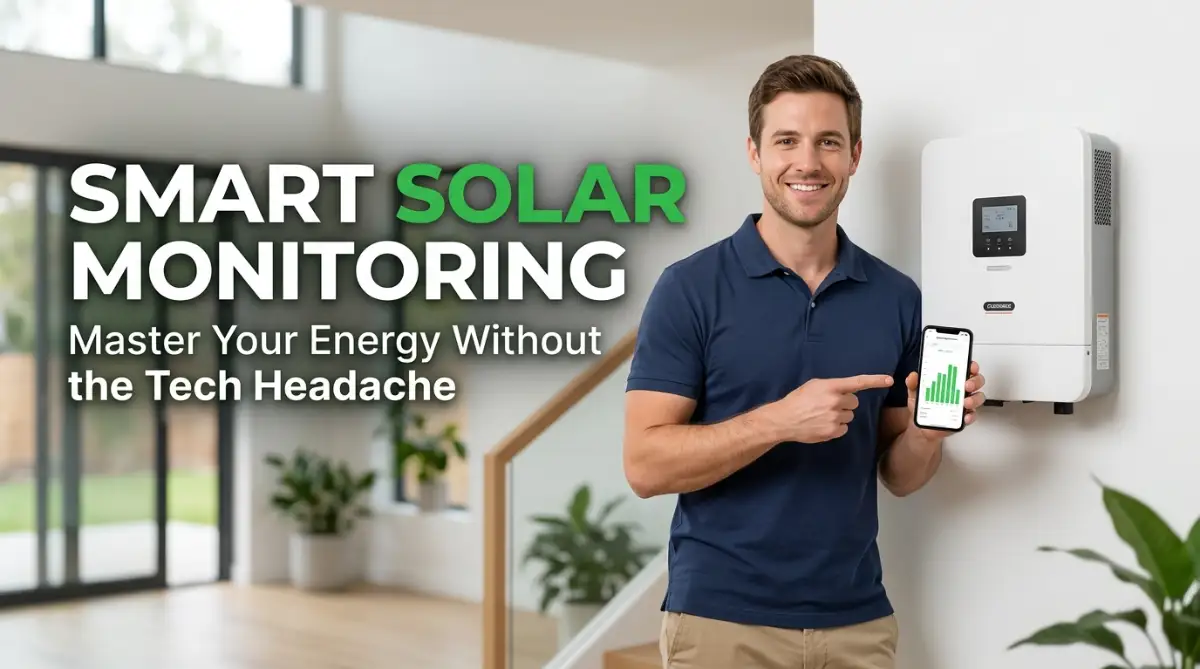
I still remember the day my solar panels were installed on my roof. I felt so proud and happy because I thought I was finally beating the high electricity bills. But after the workers left, a strange feeling of worry started to grow in my chest. I looked at the big grey box on my garage wall, and I had no idea what it was telling me. I saw flashing lights and numbers that looked like a different language.
My biggest fear was that something would break and I wouldn't even know. I spent hours every week just staring at the meter, hoping the numbers were moving in the right direction. I felt like a stranger in my own home because I didn't understand the very thing I paid thousands of dollars for. It felt like I was driving a car with a broken dashboard; I knew I was moving, but I didn't know how fast or if the engine was about to explode.
Many people feel this exact same way when they get solar. You want the benefits, but the technical side feels like a mountain you can't climb. You worry that a single cloud or a bit of dust might be stealing your money. This constant checking and worrying can really take away the joy of going green. It turns a smart investment into a source of daily anxiety.
We often think we need a degree in electrical engineering just to know if our panels are working. We see complex graphs on apps and feel lost. This lack of clear info makes us feel powerless. We start doubting if the solar company told us the truth. Is my system actually making power? Am I still paying the utility company too much? These questions keep many homeowners up at night.
I realized that I didn't need to be a genius to manage my energy. I just needed a simple way to look at things. Once I figured out the basic signs of a healthy system, my stress vanished. I stopped checking the box every hour and started trusting the sun again. You deserve that same peace of mind. Let's look at how you can take back control without touching a single wire or learning a line of code.
Simple Ways to See if Your Solar System Is Happy
The "Green Light" Secret for Your Inverter
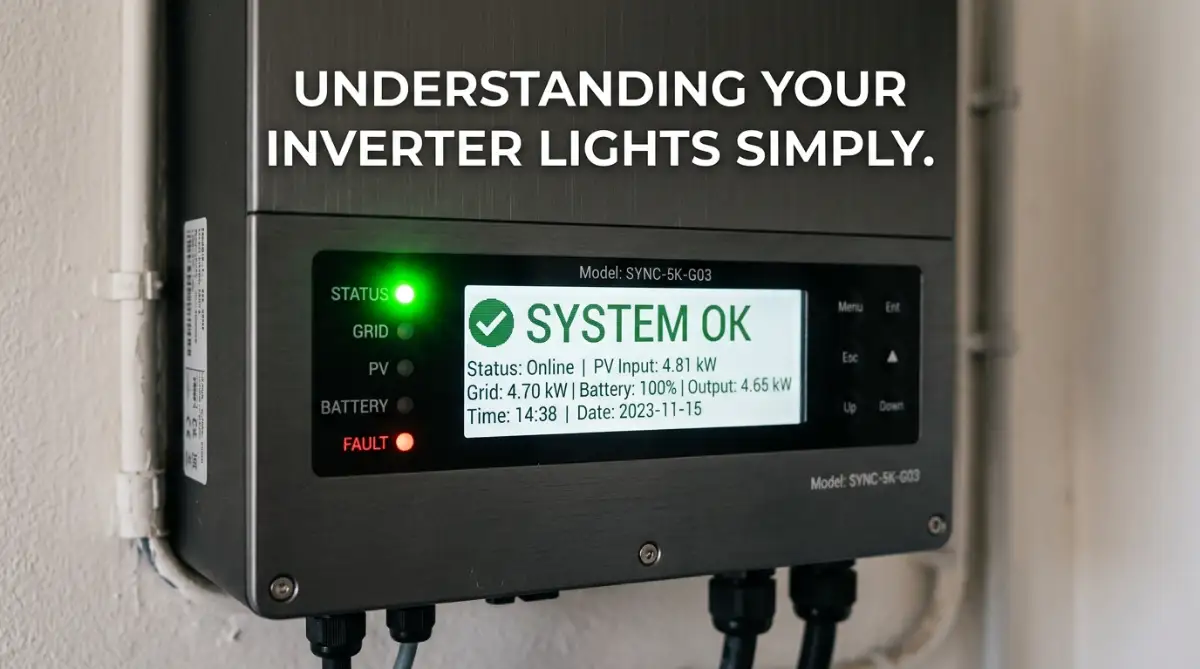
The inverter is the heart of your solar setup. It is usually a box on your wall that turns the sun's power into energy for your TV and fridge. Most people are scared to look at it, but it is your best friend. You don't need to read the tiny numbers on the screen right away. Just look for the color of the tiny light on the front.
A solid green light usually means everything is perfect. It is like a thumbs up from your house. If you see a blinking green light, it often means the sun is waking up or going down, and the system is getting ready. If the light is red or orange, that is when you should pay attention. It doesn't mean it’s broken, but it might mean it needs a quick restart or a professional look.
I used to think a red light meant a fire was starting! I panicked the first time I saw one. But I learned it was just a simple communication error with my home internet. Checking the light once a day while you take out the trash is a great habit. It takes five seconds and gives you a huge amount of relief.
Reading Your Monthly Utility Bill Like a Pro
Your electricity bill is like a report card for your solar panels. You don't need to understand every single line item to know if you are winning. Look at the section that shows "Energy Exported" or "Net Metering." This tells you how much extra power your panels sent back to the grid.
If you see that you are sending power back, it means your panels are doing their job. If your bill suddenly jumps up and your habits haven't changed, that is a big clue. It might mean a panel is shaded or dirty. Comparing your bill to the same month last year is a very smart move. It helps you see the big picture without looking at daily graphs.
I found that printing out my bills and putting them in a folder helped me feel more in control. When I saw the "Amount Owed" drop month after month, I knew I was doing the right thing. It made the whole solar experience feel real and rewarding.
The "Clear Sky" Visual Check
Sometimes the best way to monitor your solar is just by using your eyes. You don't need fancy sensors to see if a giant pile of leaves is sitting on your panels. Dust, bird droppings, and fallen branches can block the sun. If the sun can't hit the blue cells, you don't get power.
Take a walk around your yard once a month. Look up at your roof from the ground. Do you see any new shadows from growing trees? Shadows are the secret enemies of solar power. Even a small shadow from a chimney or a branch can slow down a whole string of panels. Keeping the path to the sun clear is the easiest "technical" work you will ever do.
Pro Tip: I once noticed my power output dropped by 10% for no reason. I climbed a ladder (safely!) just to look, and I found that a neighborhood ball had landed right in the middle of a panel. I would have never found that by looking at an app! Sometimes, your own eyes are better than any software.
Using Your Phone Without the Confusion
Most solar systems come with a mobile app. These apps can be scary because they have so many buttons. But you only need to look at one thing: the daily total. Most apps show a big circle or a sun icon with a number like "15 kWh." This is just the total "bucket" of energy you made that day.
Don't worry about the live "real-time" flow. It moves up and down every time a cloud passes or you turn on the microwave. It will drive you crazy if you watch it too closely. Just check the total at the end of the day. If it looks similar to other sunny days, you are doing great.
Watching a simple video can make these apps feel much less scary and help you understand the basics in minutes.
Check out this easy guide on how to use solar apps without getting a headache:
The Sound of Success: Listening to Your System
Did you know your solar system makes noise? It is very quiet, but it is there. A healthy inverter often makes a very soft humming sound when the sun is shining bright. It sounds like a happy bee. If you hear a loud grinding noise or a constant clicking, that might be a sign to call your installer.
I like to listen to my inverter when I walk past it in the morning. That soft hum tells me my house is making its own fuel. It is a very satisfying sound. It’s like hearing a cat purr. If it’s totally silent in the middle of a sunny afternoon, that’s when I know I should check the green light.
The "Sun vs. Usage" Balance
Monitoring isn't just about what the panels make; it's about how you use it. Think of your solar power like a water tank. If you use all the water while the tank is filling up, you don't save any for later. Try running your dishwasher or laundry during the middle of the day when the sun is highest.
By doing this, you are using "free" energy directly from your roof instead of buying it from the grid. You don't need a computer to tell you this. Just look at the clock. If the sun is high, it’s the best time to plug things in. This simple change in your daily routine can double your savings.
I started doing my heavy cleaning on Saturday mornings because it was always sunny. My bills dropped even more just because I changed when I used power, not how much I used. It felt like a game where I was finally winning.
Weather Awareness and Realistic Expectations
One big mistake people make is getting upset when it rains. You have to remember that solar is a long-term game. One rainy day won't ruin your month. Clouds act like a giant pair of sunglasses for your panels. They still make some power, but not as much as a clear day.
Don't panic on grey days. Your system is designed to handle this. Monitoring is about the average performance over weeks, not minutes. If you see your production dip during a storm, that is normal. If it stays low when the sky is blue and clear, that is when you investigate.
Understanding the weather helped me stop stressing. I used to check the app every time a cloud moved. Now, I just look at the weekly average. It saves me so time and keeps me from worrying about things I can't control.
The Power of the "Reset" Button
Sometimes, electronic things just get "tired." Just like your home internet router, your solar inverter might need a quick restart. If things look wrong but there are no broken parts, a simple power cycle often fixes it.
Most systems have a very clear "On/Off" switch or a handle. Consult your manual before touching it, but don't be afraid. Turning it off for a minute and then back on can clear small errors. It’s the oldest trick in the book, and it works for solar too.
I once spent three days worried because my app said "Zero Production." I called a technician, and all he did was flip the switch off and back on. I felt a bit silly, but I learned that simple fixes are often the best ones.
The Importance of Professional Check-ups
Even if you monitor everything yourself, having a pro look at it once a year is a good idea. Think of it like a doctor’s visit for your house. They can check the wires on the roof that you can't see. They make sure everything is tight and safe from the wind and rain.
This isn't about being "technical." It's about being a smart owner. You do the daily checks with your eyes and your app, and they do the deep check with their tools. This partnership keeps your system running for twenty years or more.
I have a local guy come over every spring. He spends thirty minutes on the roof and gives me a "clean bill of health." It costs a little bit, but the peace of mind is worth every penny. It makes me feel like my investment is protected for the long haul.
Conclusion of Part 1 (Building the Foundation)
Monitoring your home solar performance doesn't have to be a chore. It is about simple habits and using your senses. Look for the green light, listen for the hum, and check your roof for dirt. By following these easy steps, you can stop being a worried bystander and become a confident energy producer.
You have the power to save money and help the planet. Don't let the technical jargon slow you down. You bought solar to make your life better, not more complicated. Keep it simple, stay curious, and enjoy the sunshine. You are doing a great job, and your panels are working hard for you every single day.
Getting the Most Out of Your Solar Power Every Single Day
Once you know the basics of checking your green lights and reading your bills, it is time to think about long-term success. You don't need to be an expert to make sure your system lasts for twenty or thirty years. Most of the time, the difference between a system that saves a little and one that saves a lot is just small, smart habits. I found that paying attention to how the seasons change helped me understand my home energy much better.
For example, the sun is much higher in the sky during the hot months and lower when it gets cold. This means your panels might produce power at different times of the day depending on the month. I used to worry when my morning production dropped in the winter, but then I realized the sun just hadn't reached the panels yet. Understanding this simple rhythm helps you plan when to use your heavy appliances like the heater or the oven.
Another secret I learned is the power of tracking your weekly "peak" performance. On a perfectly clear day, look at your monitoring app around noon and see what the highest number is. Write this number down or take a screenshot once a month. If you see this peak number getting smaller over time, it might be a sign that your panels need a gentle wash. It’s a much better way to track health than just looking at the daily total which changes with the clouds.
Keeping your digital tools safe is also part of being a smart solar owner. Many people forget that their solar app is connected to their home network. If you want to keep your home tech running smoothly, you should look into 5 proven ways to keep your business safe from ransomware because the same rules of digital safety apply to your home. Keeping your app updated and your password strong ensures that your data stays private and accurate.
The Magic of Soft Water and Soft Cleaning
When it comes to cleaning, most people think they need a power washer or strong soap. This is actually a big mistake that can hurt your panels. Rain does a good job, but sometimes a layer of fine dust or pollen sticks to the glass. I found that using plain, lukewarm water and a very soft cloth or squeegee is all you really need.
If you have hard water at home, it can leave white spots on the glass just like on your shower door. These spots block a tiny bit of light, and over hundreds of cells, that adds up. I started using a small filter on my garden hose when I rinse my panels. It’s a simple trick that keeps the glass perfectly clear so every ray of light can get through.
Think of your solar panels like the windshield of your car. If it’s dirty, you can’t see the road well. If your panels are dirty, they "can't see" the sun well. You can even check out this simple guide to better digital security to see how keeping things clean and updated, whether it's hardware or software, helps everything run better.
Building a "Solar Family" Culture at Home
I realized that monitoring works best when everyone in the house is involved. I taught my kids to look at the app like a game to see how much "sun juice" we were collecting. We started talking about our energy use during dinner. It turned from a boring chore into a fun way to save money together as a family.
To make this work, everyone needs to know how to access the information easily. Sometimes we share passwords for different home apps, and it's good to know why your family needs a shared password manager right now. This way, if I am away, my partner can check the solar health just as easily as I can. It keeps everyone on the same page and helps us catch any issues early.
A big part of solar success is making it a part of your lifestyle. When you switch to clean energy, you start thinking more about your health and the environment. I noticed that once I started caring about my solar power, I also started noticing the silent health killers hiding in your modern lifestyle. Making one good change often leads to another, and soon your whole life feels a little bit better and more intentional.

The Cost of Ignoring the Small Signs
One of the biggest mistakes you can make is thinking that solar panels are "set it and forget it" machines. While they don't have many moving parts, they are still outside in the wind, rain, and heat. Many people wait until their bill is huge before they check if their system is working. By then, they might have lost hundreds of dollars in savings that they can never get back.
I once talked to a neighbor who didn't look at his inverter for six months. It turned out a small fuse had tripped during a summer storm. He thought his panels were working the whole time, but he was actually buying all his power from the grid. He felt so frustrated because he was basically throwing money away every day. This is why a quick "five-second check" of that green light is so important.
Another common pitfall is using harsh chemicals to clean the panels. Some people use window cleaner or dish soap, but these can leave a sticky film. This film actually attracts more dust and bird droppings than before. It’s like putting a magnet for dirt on your roof. Stick to plain water to avoid this trap and keep your panels working at their best.
Don't let your solar system become a source of stress by ignoring it. Treat it like a pet that needs a little bit of attention every now and then. If you treat it well, it will take care of you for a very long time. It’s much easier to fix a small problem today than a big, expensive one next year.
Turning Your Solar Savings into Real Growth
Many people don't realize that the money they save on electricity is like getting a small raise every month. Instead of just spending that extra cash, you can use it to build your future. I started putting my solar savings into a separate account. It was amazing to see how quickly it grew just from the power of the sun.
This extra money gave me the freedom to think about other ways to build my wealth. If you are interested in growing your savings even more, you might want to learn how to create multiple income streams. Your solar panels are your first "passive income" machine, and they can be the start of a much bigger financial journey.
According to research from the National Renewable Energy Laboratory (NREL), well-maintained solar systems can maintain high efficiency for decades. This means your "income" from the sun will stay steady as long as you keep an eye on things. It’s one of the most reliable ways to fight back against the rising costs of living.
Using the sun to power your life is a very smart move. It’s not just about the environment; it’s about taking control of your own needs. Every kilowatt you make is a kilowatt you don't have to buy from a big corporation. That is a very powerful feeling that grows every time the sun comes up.
Top Questions About Home Solar Health
How often should I actually check my solar app?
You don't need to check it every hour. I recommend looking at it once or twice a week just to make sure the "total energy" is moving up. A quick glance at the inverter light daily is enough to catch major issues. Checking too often can cause unnecessary stress over small clouds.
Will my panels still work if it is cloudy or raining?
Yes, they will still make power! Clouds are just like a filter. They slow down the production but they don't stop it completely. In fact, rain can be helpful because it washes away dust and bird droppings for free. Don't worry about the weather; just focus on the monthly totals.
Do I need to pay for professional monitoring services?
For most homes, no. The free app that comes with your system is usually more than enough. Professional monitoring is usually for very large businesses. As long as you know what a healthy day looks like on your app, you are doing a great job on your own.
What should I do if my system stops making power?
First, check your main circuit breaker box. Sometimes a switch flips just like when you use too many kitchen tools at once. If that is fine, try the "off and on" restart on your inverter. If it still doesn't work, that is the time to call your installation company for help.
A Brighter Future Starts on Your Roof
Monitoring your solar panels is really about building a relationship with your home. It’s about knowing how your house "breathes" and uses energy. When you take these small steps, you are doing more than just saving money. You are becoming more independent and more aware of the world around you.
I hope this guide has shown you that you don't need a lab coat to manage your solar power. It is simple, it is rewarding, and it gets easier every single day. Start today by just walking outside and looking at your inverter light. That tiny green glow is the start of your journey to energy freedom.
I really believe that every homeowner can master their solar system with just a little bit of curiosity. My own journey started with a lot of confusion, but now I feel like a pro just by following these simple habits. You have the power to make your home a mini power plant, so go ahead and let the sun work its magic for you!
Disclaimer: The information provided in this guide is for educational purposes only. Solar energy systems involve high-voltage electricity and should be handled with care. Always refer to your specific system manual and consult with a licensed professional before attempting any repairs or maintenance beyond visual inspections and basic app monitoring. Safety should always be your first priority when working near electrical components or on your roof.