Why Going Solar Almost Turned Into My Biggest Financial Regret
Nobody tells you that slapping solar panels on your roof can actually drain your bank account faster than your old electric bill. I found out the hard way when a sudden rainstorm turned my living room into an indoor swimming pool, all thanks to a rushed installation. If you are thinking about going solar to save some cash, let me save you from the expensive nightmare I barely survived.
That single hasty decision cost me thousands of extra dollars in unexpected roof repairs. I ended up with a heavily leaking ceiling during the very first rainstorm of the season. To make matters worse, my system barely generated enough power to run my basic kitchen appliances.
It was a massive wake-up call that taught me a very hard lesson about rushing home upgrades. Every single day, countless well-meaning homeowners fall into this exact same frustrating trap. You want to do something good for your wallet and the environment, but you end up creating a disaster.

It truly breaks my heart to see good, hardworking people getting scammed out of their peace of mind. When you invest in your forever home, you expect comfort, lower bills, and long-term security. You definitely do not expect to become a stressed-out project manager trying to fix someone else's lazy mistakes.
Quick Reality Check Before You Sign Anything:
-
Get an independent roof inspection before calling a solar company to avoid nasty rain leaks later.
-
Never pick the cheapest bid—flimsy mounting hardware will not survive a heavy storm.
-
"Free solar" door-to-door leases are usually traps; buying your equipment outright is always the safest financial move.
-
Plan for the future by asking your installer to make your electrical panel "battery-ready" on day one.
Smart Strategies to Protect Your Roof and Your Wallet
If you want to enjoy a massive drop in your power bills, you need to understand how this technology actually works. Most sales reps will push a generic, cookie-cutter package on you just to get a quick commission. You have to take control of the situation and ask the right questions before signing any contracts.
A well-planned home energy system will work silently and perfectly for decades without causing any headaches. We are going to look at some highly practical steps you can take today to secure your investment. These simple adjustments will make sure your home stays safe, waterproof, and energy-efficient.
Stop Ignoring the Hidden Shadows on Your Property
One of the biggest blunders you can make is placing your panels in areas that get partial shade. Many people think that a little bit of shade from a nearby tree will not do much harm. Scientifically speaking, standard solar panels act just like a flowing garden hose.
If you pinch a garden hose in just one single spot, the entire flow of water stops completely. Similarly, if a single panel is shaded, it can drag down the electrical output of your entire roof array. Even a small shadow from a neighbor's chimney can cut your daily power generation in half.
Before you sign any contract, you must understand exactly how shading impacts your daily energy production. Watch this incredibly helpful breakdown to see exactly what I mean!
Myth vs. Fact: The Shading Trap
-
The Myth: A tiny tree branch blocking one corner of my roof won't really hurt my power output.
-
The Hard Fact: If you use a traditional setup, just 10% shading can kill up to 50% of your total energy production! Think of it like standing on a garden hose—the whole flow stops. Always check where shadows fall during winter, not just in the summer.
I learned this painful lesson the hard way during my first year of using renewable power. When I checked my roof in the summer, everything looked perfectly bright and sunny. I totally forgot that the winter sun sits much lower in the sky, and my giant oak tree ended up blocking my panels for three hours every afternoon.
Do Not Treat Your Aging Roof Like a Testing Ground
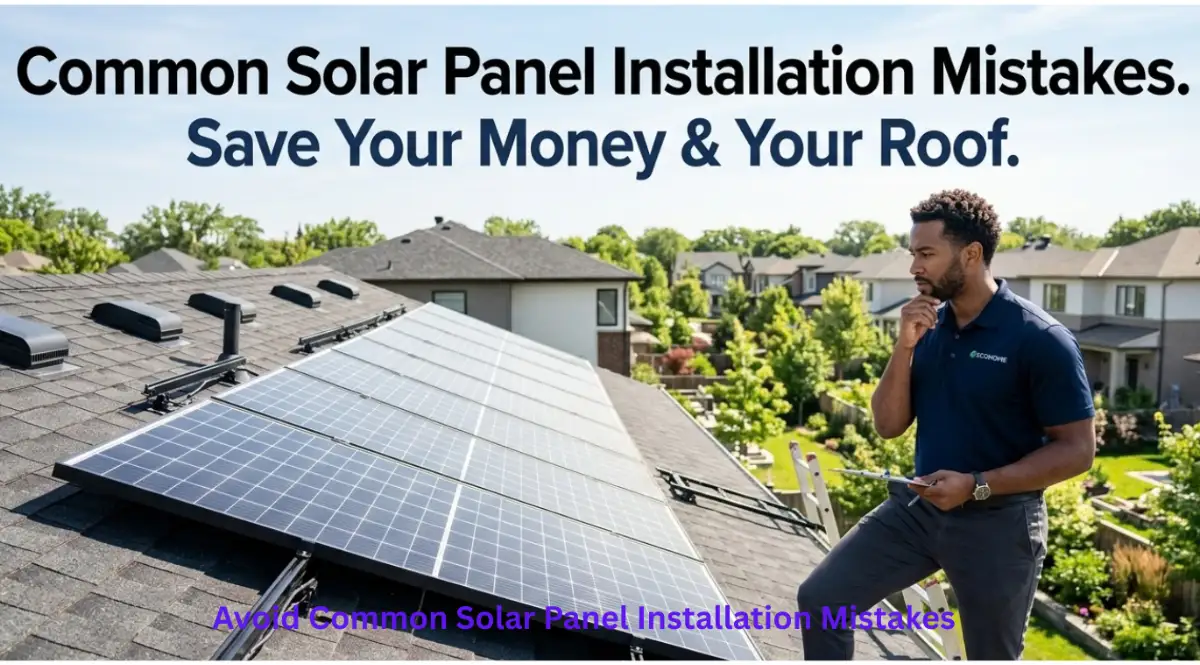
You would be amazed at how many people install brand-new, heavy equipment on top of a rotting, twenty-year-old roof. Solar panels are built to last for more than twenty-five years with proper care. If your shingles are already crumbling, you will have to remove all those heavy panels just to fix the roof later.
Removing and reinstalling a massive energy system will cost you thousands of extra dollars in labor fees. You must get a professional roof inspection before you even think about calling an energy company. If your roof structure is weak, the extra weight can cause severe structural damage to your house.
Here is a quick look at how you should handle your roof before setting up any heavy equipment:
| Roof Condition | Action Required Before Setting Up Panels |
| Brand New (1-5 years) | Ideal time to install. Usually, no extra prep is needed. |
| Middle Aged (10-15 years) | Needs a professional inspection for weak spots or soft wood. |
| Old (20+ years) | Replace the roofing materials completely before adding panels. |

The Dangerous Trap of Dirt-Cheap Mounting Hardware
When you start getting quotes from different companies, you will notice a huge difference in prices. It is incredibly tempting to pick the absolute cheapest bid to save some money upfront. However, cheap installers often cut corners by using low-quality, flimsy mounting hardware.
Your roof is exposed to high winds, heavy rain, and extreme summer heat all year long. If the mounting brackets rust or break, your expensive panels could literally blow off your house during a bad storm. Professional-grade aluminum mounts and proper weather-sealing protect your home from devastating water leaks.
Always ask your contractor exactly what brand of racking equipment they plan to use on your house. Doing a quick online search on that specific brand will tell you if they are trustworthy or total junk. Spending a little extra on high-quality mounts is the best insurance policy you can buy for your home.
Myth vs Reality: The "Maintenance-Free" Illusion
Sales reps love to tell homeowners that modern power systems require absolutely zero maintenance. This is a very common myth that leads to incredibly poor performance over time. While they do not have moving parts, they still get covered in dirt, bird droppings, and thick dust.
When a thick layer of grime coats the protective glass, sunlight simply cannot reach the energy cells inside. Just like a dirty window blocks the view, dirty panels block the free energy you are trying to capture. You need to plan for a safe, gentle cleaning at least once or twice a year.
If you live near a busy highway or a dusty farm, you might need to wash them even more frequently. A quick rinse with a normal garden hose early in the morning is usually enough to keep things running perfectly. Never use harsh chemicals or rough brushes, because scratching the glass will permanently ruin their efficiency.
Skipping the Boring Local Permits and HOA Rules
Nobody likes doing paperwork, but skipping the legal steps can turn into an absolute nightmare. Many enthusiastic homeowners try to speed up the process by installing everything without proper city permits. If your local building inspector finds out, they can force you to tear the entire system down immediately.
Furthermore, your Homeowners Association (HOA) might have strict rules about how things look from the street. Some neighborhoods require all wiring to be completely hidden to maintain a neat and clean appearance. If you violate these community rules, you will face massive daily fines until you fix the problem.
Always let your installation company handle the complex permitting process directly with your local government. Professional teams know exactly which safety codes and electrical standards must be met to pass a formal inspection. Getting full legal approval protects you from massive fines and keeps your home insurance policy perfectly valid.
Why Buying an Undersized Inverter Ruins Everything
The shiny panels on your roof only do half of the actual work required to power your television. They generate direct current (DC) power, but your house runs on alternating current (AC) power. The inverter is the magical box that converts the raw sunlight into usable electricity for your outlets.
If you buy an inverter that is too small for your total setup, it will constantly overheat and shut down. It is like trying to force a massive amount of water through a tiny plastic straw. The system simply chokes, and all that beautiful extra sunshine goes completely to waste.
You need an expert to calculate your daily usage and match it with the perfect equipment size. A slightly larger inverter gives you plenty of room to grow if you decide to add more panels later. By investing in the right brain for your system, you guarantee maximum power output every single day.
Smart Strategies for Long-Term Energy Success
Once you fix the basic placement and hardware issues, you really need to look at how your system manages power every single day. Most buyers just sign the contract and assume everything will work perfectly behind the scenes. However, making a few smart upgrades right now will save you from massive headaches down the road.
You want a setup that adapts to your family's changing daily habits. The technology has improved so much that you can now track exactly where every single drop of sunlight is going. Let's look at some advanced tricks that professional installers use on their own personal houses.
Upgrade Your Setup with Micro-Inverter Technology
We talked earlier about standard central inverters, but there is a much better option available for modern homes. Traditional string inverters connect all your panels together on a single electrical line. This means they act exactly like a cheap string of old holiday lights.
If one single panel gets covered by a wet leaf, the entire row suddenly drops in power production. To completely avoid this frustrating issue, you should strongly ask your contractor about micro-inverters. These tiny devices are attached underneath every single individual panel on your roof.
Quick Cheat Sheet: String Inverter vs. Micro-Inverter
When you use this advanced technology, each panel operates completely independently from the rest of the group. If a bird builds a nest on one corner of your roof, only that specific panel will drop in performance. The rest of your system will keep pumping maximum electricity into your home all day long.
Master Your Digital Power Dashboard
Every modern energy system comes with a smart phone app that tracks your daily electrical production. Unfortunately, almost nobody actually opens these apps until they receive a terrifyingly high power bill in the mail. You need to build a simple weekly habit of checking your digital dashboard on Sunday mornings.
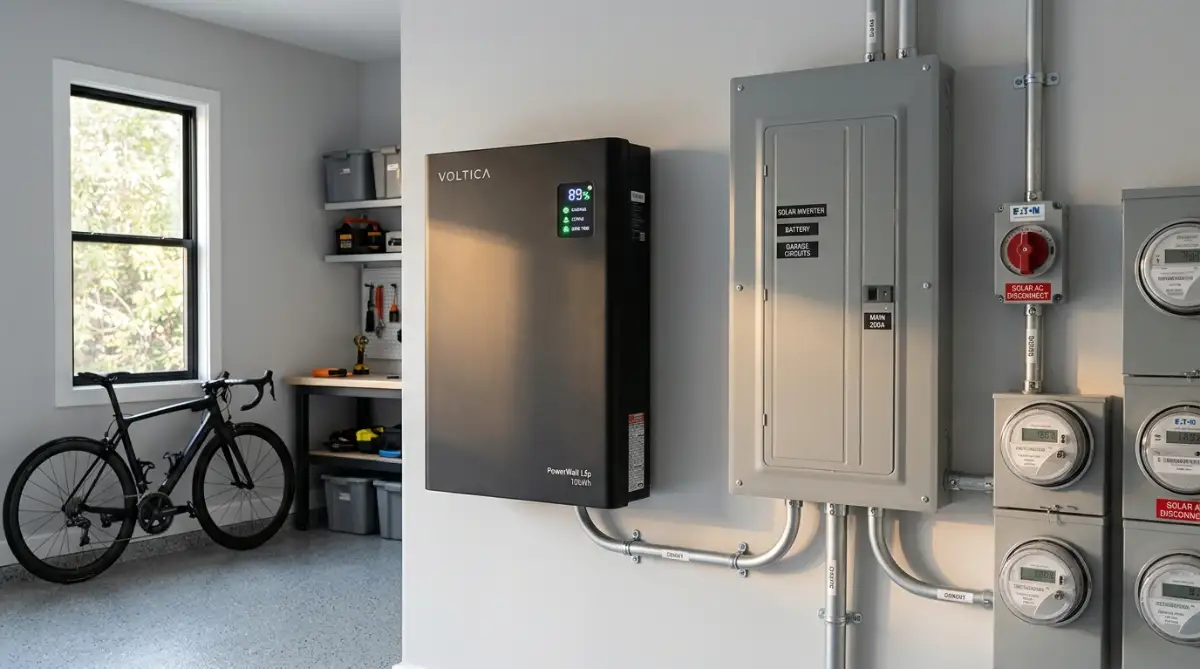
You do not need an engineering degree to understand what these colorful charts are telling you. By learning how to check your solar panel health without being a tech expert, you can spot tiny errors before they become expensive problems. If you notice a sudden drop in power on a perfectly sunny day, you know something is wrong immediately.
Catching a broken wire early means your warranty will cover the repairs quickly. If you ignore your app for six months, you will lose hundreds of dollars in free electricity that you can never get back. Staying informed gives you complete control over your home's monthly operating costs.
Future-Proof Your Setup for Battery Storage
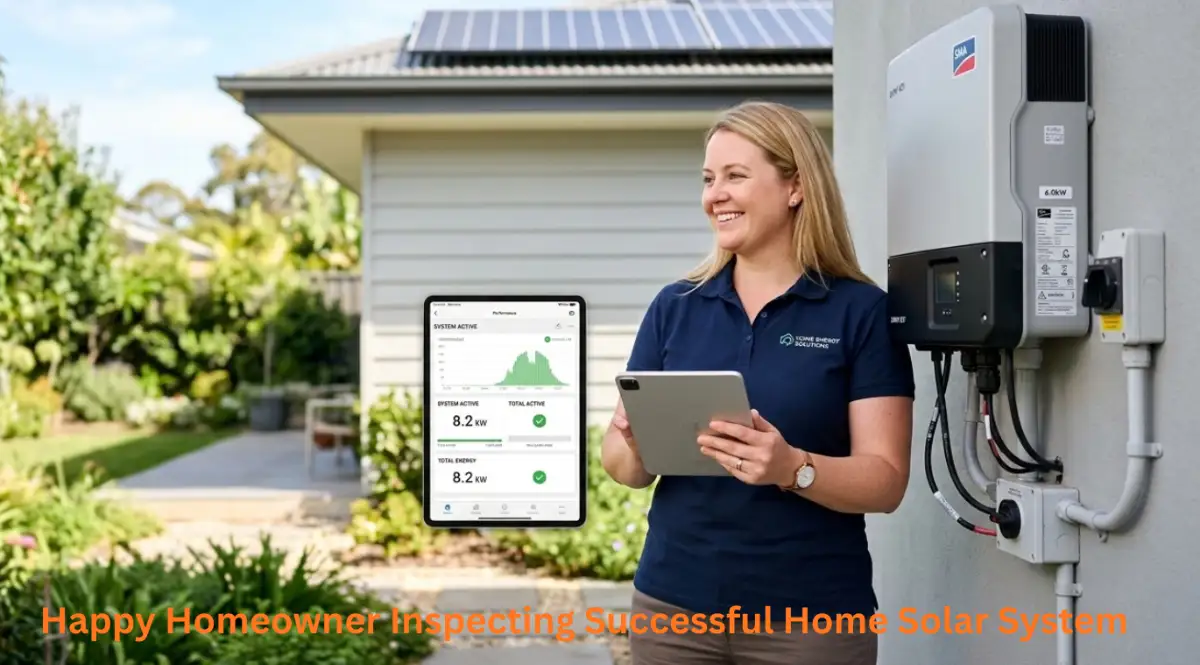
Right now, adding a massive backup battery to your project might be entirely outside your family budget. That is totally fine, but you still need to plan for the day when you might want one. You should always ask your installation team to make your main electrical panel "storage-ready."
This simple request means they will arrange the wiring so a battery can easily plug in later without major rewiring costs. When the neighborhood grid goes completely dark during a storm, having a battery keeps your refrigerator running. You can read the official guidelines on residential energy storage from the Department of Energy to understand how these backups work.
Preparing for future upgrades adds very little to your initial installation cost. However, it saves you thousands of dollars in labor fees when you finally decide to buy that backup battery. It is all about thinking five steps ahead to protect your home.
The Hidden Traps That Destroy First-Time Buyers
People often get so blinded by the promise of cheap electricity that they ignore glaring red flags. The renewable energy industry is unfortunately filled with aggressive sales tactics that trap unsuspecting families. If you do not know exactly what to look for, you can easily sign your financial freedom away.
I have watched perfectly smart people make terrible decisions simply because they felt rushed by a smooth-talking salesman. You must slow down and protect your property from these common disasters. Let's walk through the absolute worst mistakes you can make during this process.
Falling for the Predatory Door-to-Door Lease Scam
You are sitting on your couch when a friendly person knocks on your door offering "free" rooftop panels. They promise that the government is paying for everything and your bills will instantly drop to zero. Let me be extremely clear about this: there is absolutely no such thing as free panels.
These aggressive salespeople are usually trying to lock you into a highly restrictive 25-year leasing contract. When you lease the equipment, you do not actually own anything on your roof. The company takes all the federal tax credits, and they slowly increase your monthly lease payment every single year.
If you decide to move and sell your house, buyers will completely run away when they see that awful lease agreement attached to the property. The consumer protection warnings regarding solar scams clearly state that buying your system with a standard loan is almost always safer. Always demand to own your equipment outright so you control the long-term financial benefits.
Ignoring the Reality of Extreme Local Weather
People often forget that their roof takes a brutal beating from Mother Nature all year long. A system that works perfectly in a sunny, dry desert will fail miserably in a region with heavy winter snowstorms. You must talk to your contractor about how they plan to handle your specific local weather patterns.
If you live in an area that gets massive snow dumps, your panels need to be installed at a much steeper angle. A steeper pitch allows heavy snow to naturally slide off the slippery glass surface without breaking anything. If they are installed too flat, the massive weight of wet snow can physically crush the aluminum frames.
In areas with frequent hurricanes, the mounting brackets must be rated for extreme wind speeds. According to studies on severe weather and renewable energy equipment, poor wind load planning is the number one reason panels rip off during storms. Never let an installer use standard brackets if you live in a high-wind zone.
Miscalculating Your Family's True Power Needs
Another huge disaster happens when homeowners buy a tiny system based on their lowest winter energy bill. They forget that during the blazing hot summer, their air conditioner runs constantly and eats massive amounts of power. When summer finally arrives, their new system fails to keep up, and they get hit with a giant bill from the utility company.
You need to hand your contractor a full twelve months of your past electricity statements. They must calculate your exact annual average, not just your best month. Always build your array to handle your worst and most expensive summer months.
Your Action Plan for a Stress-Free Installation
Switching to renewable energy is one of the smartest upgrades you can ever make for your family's future. It protects you from constantly rising utility rates and adds real, tangible value to your property. The key is simply taking your time, doing the math, and refusing to be rushed by aggressive salespeople.
Always demand high-quality mounting hardware, plan for sneaky tree shadows, and make sure your roof is actually strong enough to hold the weight. Getting a professional inspection beforehand is the easiest way to prevent a stressful leaking ceiling. Remember, you are totally in charge of this project from start to finish.
I finally got my own system running perfectly, and my monthly bills have practically disappeared into thin air. By following these simple guidelines, I know you will feel that exact same amazing relief when you open your next electricity statement!
Questions Homeowners Always Ask About Going Solar
Do panels still generate electricity on dark, cloudy days?
Yes, they definitely still work when the sun is hiding behind the clouds. The power output will be much lower than on a bright afternoon, but they still capture scattered light to run your basic appliances.
How long does the actual rooftop installation take?
The physical work on your roof is surprisingly fast and usually takes just one or two days to finish completely. The longest part of the process is waiting weeks for your local city government to approve the legal permits.
Will adding this equipment cause my property taxes to skyrocket?
In most local areas, governments completely exempt renewable energy upgrades from property tax increases. This means your house value goes up, but your annual tax bill stays exactly the same.
What happens to my power when the neighborhood grid goes down?
Unless you have a specific backup battery installed in your garage, your system will automatically shut off during a blackout. This is a built-in safety feature to stop your house from sending live electricity into the street while workers are fixing the broken wires.
Disclaimer: This article is for informational and educational purposes only and does not constitute certified financial, legal, or professional electrical advice. Always consult with a licensed local contractor and review your city’s specific building codes before starting any major home improvement projects.