The Heavy Reality of Unexpected Financial Emergencies
I completely understand that sinking feeling in your stomach when your car suddenly breaks down and your checking account is practically empty. I have been in that exact terrifying spot myself. A few years ago, I faced a massive emergency repair bill, and the thought of risking my family car just to borrow some cash kept me awake for days.
Financial stress has a terrible way of stealing your daily joy. You wake up worrying about money, and you go to sleep stressing about upcoming due dates. Ordinary, hardworking people face this silent battle every single day when unexpected expenses pop up out of nowhere.
When you do not have thousands of dollars sitting safely in a savings account, panic sets in incredibly fast. You start looking for quick fixes, and that is exactly when so many people accidentally fall into dangerous, expensive debt traps.
Every phone call from an unknown number feels like a threat, and you start skipping fun outings with your friends just to save a few pennies. It is not really about the money itself; it is about the feeling of being completely stuck while the rest of the world moves forward.
We all just want a safe, affordable way to handle life's surprises without ruining our long-term future. Let me show you how I navigated the messy world of personal borrowing without putting my property on the line. You can do the exact same thing to regain your peace of mind and protect your hard-earned assets.
Breaking Down the Magic of Borrowing Without Collateral
When you need cash quickly but absolutely refuse to risk your personal property, unsecured options become your best friend. Unlike a traditional mortgage or an auto finance agreement, the bank cannot suddenly take your house or your car if you happen to miss a payment.
Instead of demanding physical assets, lenders rely entirely on your good promise to pay them back on time. This is exactly why these are often called "signature loans" within the banking industry. Your personal signature and your financial reputation are the only things standing between you and the money you need.
Because the bank takes on a much higher risk by not holding your property, they have to be extra careful about who they approve. They look very closely at your past history to see if you are a trustworthy individual. If your track record is solid, they will happily hand over the cash with surprisingly affordable terms.
Your Financial Report Card: Why Your Score Matters
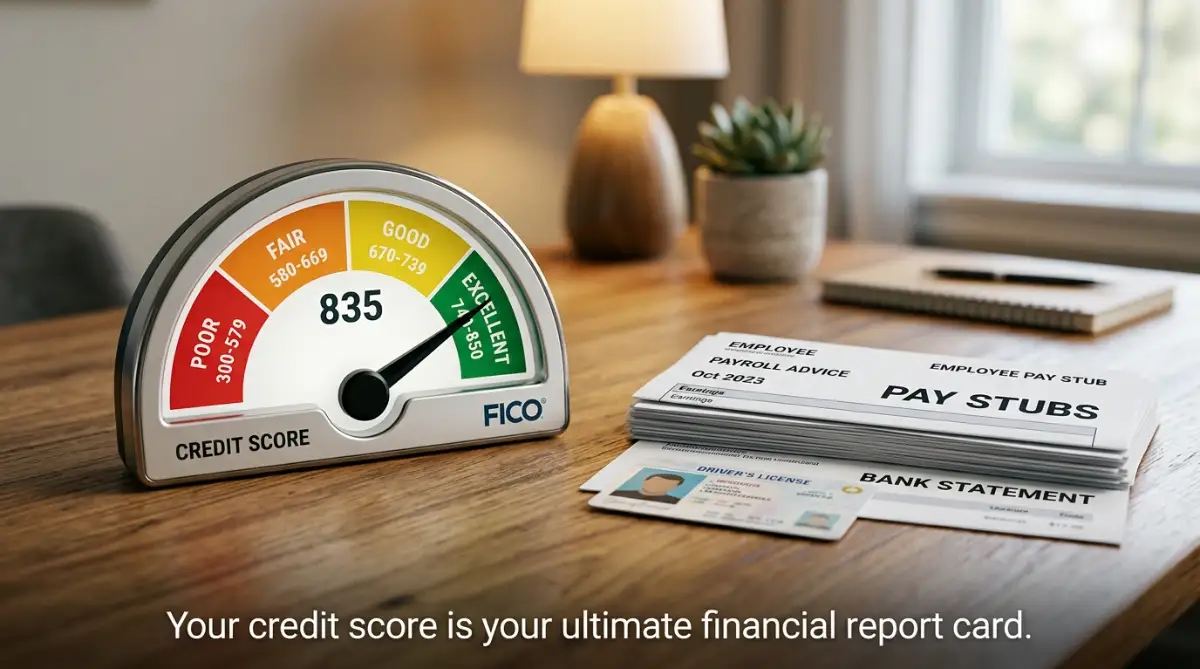
Think of your credit profile as your ultimate financial report card from your adult life. Every single time you pay a bill on time, you get a good grade. Every time you miss a deadline, your overall grade drops significantly.
Banks use this exact mathematical report card to decide if you qualify for their absolute best interest rates. When your score is high, banks will actually fight each other to offer you their most attractive deals. They love safe bets, and a strong history proves you are incredibly reliable.
On the other hand, a lower number makes banking systems very nervous about trusting you. They might still say yes, but they will charge you much higher fees just to cover their potential risk. Building and protecting this three-digit number is the single most effective way to save thousands of dollars on future borrowing.
The Hidden Power of Steady, Predictable Income
Beyond just your three-digit score, lenders desperately want to see that you have a stable way to pay them back. Your monthly income serves as the concrete proof that you can handle regular installments without struggling.
It does not always matter if you have a massive six-figure salary. What truly matters to the bank is how consistent and reliable those paychecks are. If you can show a steady history of money coming in, you automatically appear much safer to their automated systems.
Gather your recent pay stubs and tax documents long before you ever click the application button. Being highly organized makes the entire process incredibly smooth and drastically reduces your personal stress.
Watch this incredibly helpful breakdown to learn exactly how lenders view your application and calculate your unique offers.
The True Price Tag of Borrowing Money
When you start comparing different offers on your screen, you must look beyond just the basic monthly payment. The Annual Percentage Rate (APR) is the actual, true price tag of your borrowed money.
The APR clearly includes both the base interest rate and any sneaky hidden fees the bank might charge you. An offer with a slightly lower interest rate might actually cost you way more money if the setup fees are heavily inflated.
Always ask the lending officer to clearly explain the total APR before you ever sign your name on the dotted line. Many beginners make the mistake of picking a longer payment period just to get smaller monthly bills, but they end up paying massive amounts of extra interest over time.
If you want to fully master this topic, spending some time understanding unsecured personal loans rates requirements and approval factors will give you a massive advantage over the average consumer. Knowledge is your best defense against bad banking deals.
My Pro Tip for A Stress-Free Application
I actually made a huge mistake a few years ago by applying for three different offers in the exact same week. I honestly thought it would increase my chances, but it actually lowered my score because it looked like I was desperate for fast cash. My biggest realization was that being patient and researching my options beforehand would have saved me so much headache. Always use "soft pull" pre-qualification tools to check your options safely.

Advanced Level Strategies for Smarter Borrowing
Now that you understand the basic mechanics, it is time to think exactly like a professional lender. Most people treat a bank application as a completely passive event where they just cross their fingers and hope for the best.
I prefer to treat the entire process as a strategic financial negotiation where I hold the real power. You have so much more control than you think if you know exactly how to present your personal story to the bank.
The Magic of Strategic Debt Manipulation
Before you ever fill out a new application form, you should actively try a strategy called strategic debt manipulation. Bank computers look very closely at exactly how much of your available credit you are currently using every month.
If your everyday credit cards are completely maxed out, you immediately look like a desperate risk to their automated systems. Imagine you have two different store cards with very small, annoying balances on them right now.
Paying those specific small cards down to zero right before you apply can give your score a sudden, massive jump upward. This quick optimization is often all it takes to instantly bump you into a much cheaper interest bracket.
Exploring Local Credit Unions for Better Deals
While giant national banks are famous and easy to find, they are definitely not your only reliable option. Local community credit unions are amazing non-profit organizations that exist specifically to serve people in your neighborhood.
Because they do not have to pay massive dividends to wealthy Wall Street shareholders, they happily pass those savings directly to you. Credit unions are much more willing to look at your personal character rather than just a cold, hard number on a computer screen.
If you have a solid job history but an average score, a local branch manager can sometimes manually override the computer's strict decision. Sitting down face-to-face with a real human being still holds incredible power in the modern banking world.
If you are struggling to find a yes, learning how to get a personal loan with a fair credit score can guide you toward the right alternative lenders. There is almost always a safe option available if you know exactly where to look.
The 14-Day Rate Shopping Secret
One of the most powerful strategies you can use involves a hidden timeline called the rate-shopping window. Most regular people are terrified that checking their options at multiple banks will completely destroy their financial reputation.
Here is the beautiful truth about how modern scoring systems actually operate behind closed doors. According to the Consumer Financial Protection Bureau (CFPB), multiple checks for the exact same type of borrowing within a 14 to 45-day period usually count as just one single event.
The system is actually designed to highly encourage you to shop around and compare different institutions for the best deal. You can safely check your rates at three different places this week without causing permanent damage to your profile.
Toxic Traps That Will Destroy Your Peace of Mind
We all want the absolute quickest path to cash when an emergency strikes, but taking shortcuts often leads to expensive dead ends. When you are feeling completely stressed, your brain naturally stops paying attention to the fine print on the screen.
This temporary blindness is exactly what greedy financial institutions count on to maximize their own profit margins. Making a rushed decision out of pure panic can easily turn a temporary problem into a decade-long financial nightmare.
The Illusion of Easy Approvals and Payday Traps
When people face back-to-back rejections from traditional banks, panic usually takes total control of their actions. They start looking at flashing online ads offering immediate cash with absolutely zero background checks required.
These predatory payday lenders operate completely differently from safe, highly regulated community banks. According to the Federal Trade Commission (FTC), these toxic products can legally carry actual interest rates well over four hundred percent!
They trap you in an endless, vicious cycle where your entire paycheck goes toward paying just the interest fees every month. You literally never make a single dent in the actual amount you originally borrowed from them.
Ignoring the Silent Thief Called Origination Fees
Many eager borrowers stare blindly at the advertised interest rate and completely ignore how the bank actually sets up the funding. Some sneaky lenders charge a massive upfront cost simply for processing your basic paperwork.
This hidden charge is known as an origination fee, and it can silently steal hundreds of dollars directly from your pocket. If a bank charges a five percent fee on a ten-thousand-dollar request, they instantly keep five hundred dollars for themselves.
Always ask the lending officer point-blank if any fees will be deducted from your final payout before you agree to anything. The most reputable and trustworthy institutions completely waive these setup fees for borrowers with a strong history.
For those who are brand new to this process, reading up on how to get your bank loan approved is a smart way to ensure you never fall for these hidden tricks. Being educated is your strongest shield against bad deals.
Mixing Short-Term Fun with Long-Term Debt
There is a massive golden rule in personal finance that you should never use long-term borrowing to pay for short-term fun. Taking out cash from the bank to pay for a luxury wedding or an exotic beach trip sounds exciting right now.
But the memory of that beautiful vacation will fade long before your monthly automatic payments ever stop. Three years from now, you will still be sending hundreds of dollars to a bank for a trip you barely even remember.
This kind of financial hangover creates massive daily resentment and ruins your overall peace of mind. Unsecured borrowing should ideally be reserved strictly for consolidating bad debt or handling true, unavoidable life emergencies.
Your Action Plan for Total Financial Freedom
Taking full control of your borrowing habits completely changes how you view your entire financial life moving forward. You no longer have to feel like a helpless victim begging giant corporations for a tiny bit of help.
By simply understanding the basic math and the hidden rules, you become an empowered and highly respected consumer. Start your journey today by requesting a completely free copy of your current history report and reviewing it for errors.
Spend a few hours comparing different local options side by side on a piece of paper before you make your final choice. I honestly used to lose sleep over the thought of facing a bank officer, but my perspective completely shifted once I realized they actually need my business. Trust the knowledge you have gained today, take a deep breath, and step confidently into a much brighter financial future.
Common Questions About Unsecured Borrowing
Can I realistically get approved if my income is slightly on the lower side?
Yes, absolutely. Banks care much more about the long-term stability of your income rather than just the massive size of your monthly paycheck. As long as you have enough money left over each month after paying your regular bills, you have a solid chance of getting a yes.
How quickly will the actual cash show up in my checking account?
Online banking systems have made this specific process incredibly fast over the last few years. If you provide all the correct documents immediately, many digital institutions can deposit the funds directly into your account within twenty-four to forty-eight hours.
What exactly happens if I lose my job and accidentally miss a payment?
The bank will initially charge you a small late fee and eventually report the missed payment to the major bureaus. However, you will never lose your house or car since the money is completely unsecured. You should always call the bank immediately, as they often have temporary hardship programs available for honest people.
Are online-only lending companies actually safe to use?
Yes, many digital-only platforms are extremely safe and heavily regulated by the government. In fact, because they do not have to pay for expensive physical branch buildings, they can often offer you significantly lower interest rates than your local corner bank.
Disclaimer:
The information provided in this article is for educational and informational purposes only and does not constitute professional financial or legal advice. Interest rates, approval requirements, and banking policies change frequently. Always consult with a certified financial advisor or your personal banking institution before making any major decisions regarding borrowing money.