
Why Does It Feel Like Everyone Else Has Their Life Together?
Ever had one of those days where the toaster breaks, your phone won’t stop pinging, and you’re convinced you’re the only person on earth who can’t get their act together? I’ve been there—staring at a pile of crumbs, feeling like a total fraud while everyone else seems to be winning at life. Let’s drop the act and talk about why 'adulting' feels so messy, and how we can actually handle it without losing our minds
I used to believe that if I just tried harder, these small problems would disappear forever. I thought my friends and coworkers had some secret map to a stress-free life that I didn't have. It made me feel small, lonely, and honestly, a bit tired of trying.
The truth is, I was stuck in a cycle of overthinking every little thing that went wrong. If I missed a deadline or forgot to buy milk, I treated it like a huge disaster. I realized that my mental peace was being eaten away by these tiny, annoying bites of daily life.
Have you ever felt like you are just one small mistake away from a total meltdown? You see people on social media looking perfect, and you wonder why your morning is so messy. This feeling of not being "good enough" to handle life is something we all share, even if we don't talk about it.
I want to tell you right now that you are not broken and you are not doing it wrong. Life is just naturally bumpy, and we were never taught the real way to navigate those bumps. We are going to look at these common hurdles together and find a way to jump over them without losing our breath.
Quick Wins: How to Take Back Control
- Stop the Morning Rush: Give yourself a 10-minute quiet buffer before checking your phone.
- The 2-Minute Rule: If it takes less than 2 minutes, do it right now to stop mental clutter.
- Stop Comparing: Your 'behind-the-scenes' will never look like someone else's 'highlight reel.'
- One Habit at a Time: Don't overhaul your life; pick one small thing and stick to it for a week.
The Real Reason Small Problems Feel So Big
I remember last month, I felt like my world was ending simply because I forgot to pay a recurring subscription bill on time. It sounds ridiculous now, but in that moment, Friday when I forgot my keys twice in an hour. I stood by the door, feeling like a complete mess. It wasn it felt like I was completely failing at being an adult. We often think we are stressed because of "work" or "money," but it is usually the little things that break us. It is the traffic jam when you are already late or the rude comment from a stranger. These moments pile up like bricks until the wall feels too high to climb.
When our brains are tired, we stop seeing solutions and only see more problems. This creates a state of "mental fog" where even deciding what to eat for dinner feels like a math test. It drains our energy and makes us feel like we have no control over our own days.
I spent years feeling like a victim of my own schedule. I was always reacting to what happened instead of choosing how to act. It took a long time for me to understand that confidence isn't about being perfect; it's about knowing you can handle the mess.
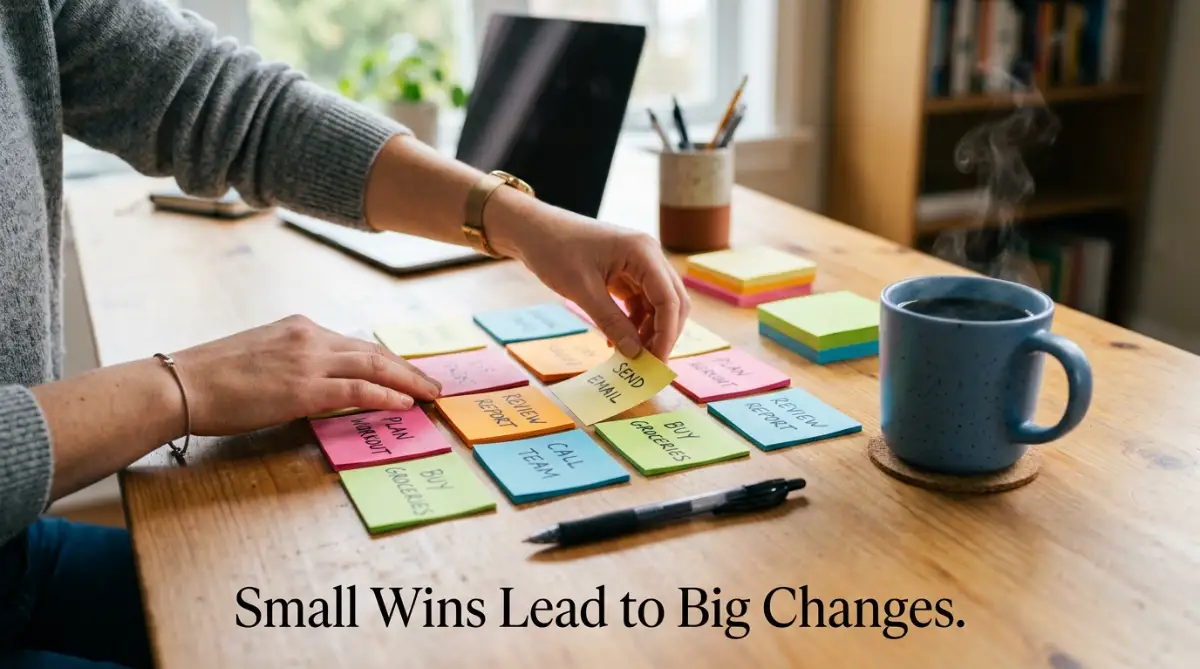
Turning Chaos into Calm: A Simple Guide for Your Day
Let’s talk about how to actually fix this. We don’t need magic tricks or expensive seminars. We just need to change how we look at our daily hurdles and build a few simple habits that actually stick.
Taming the "Morning Monster" Routine
| Habit | Why It Works | Effort Level |
| The 10-Min Buffer | Stops the 'fight or flight' response early. | Easy |
| Brain Dump | Moves worries from your head to paper. | Very Easy |
| Single-Tasking | Prevents decision fatigue by noon. | Medium |
Most of us start our day by checking our phones the second we wake up. I used to do this every single day, and it was a huge mistake. By looking at emails and news first thing, I was letting the whole world's problems into my bed before I even stretched my legs.
Instead of jumping into the digital noise, give yourself just ten minutes of quiet. You don't have to meditate like a monk. Just sit with your coffee, look out the window, or write down three things you want to do today. This creates a "buffer" that protects your brain from early morning panic.
When you start your day on your own terms, you feel like the boss of your time. Even if the rest of the day gets crazy, you will have that calm start to look back on. It changes your whole mood and gives you a sense of steady power.
The Power of the "Two-Minute Rule"
Personally, I started applying this to my email. We often let small tasks pile up because they seem too tiny to care about. But a sink full of dirty dishes or a pile of mail can cause real mental weight. I learned a trick that saved my sanity: if a task takes less than two minutes, do it right now.
Hang up your coat as soon as you walk in. Wash your plate immediately after eating. Reply to that "yes or no" email the moment you see it. By clearing these tiny hurdles instantly, you stop them from turning into a giant mountain later in the week.
I used to let my laundry sit in the dryer for days. It felt like a big job I didn't want to do. But when I realized it only took ninety seconds to put it in a basket, I stopped dreading it. This small win made me feel more in control of my home and my time.
Learning to Say "No" Without Feeling Bad
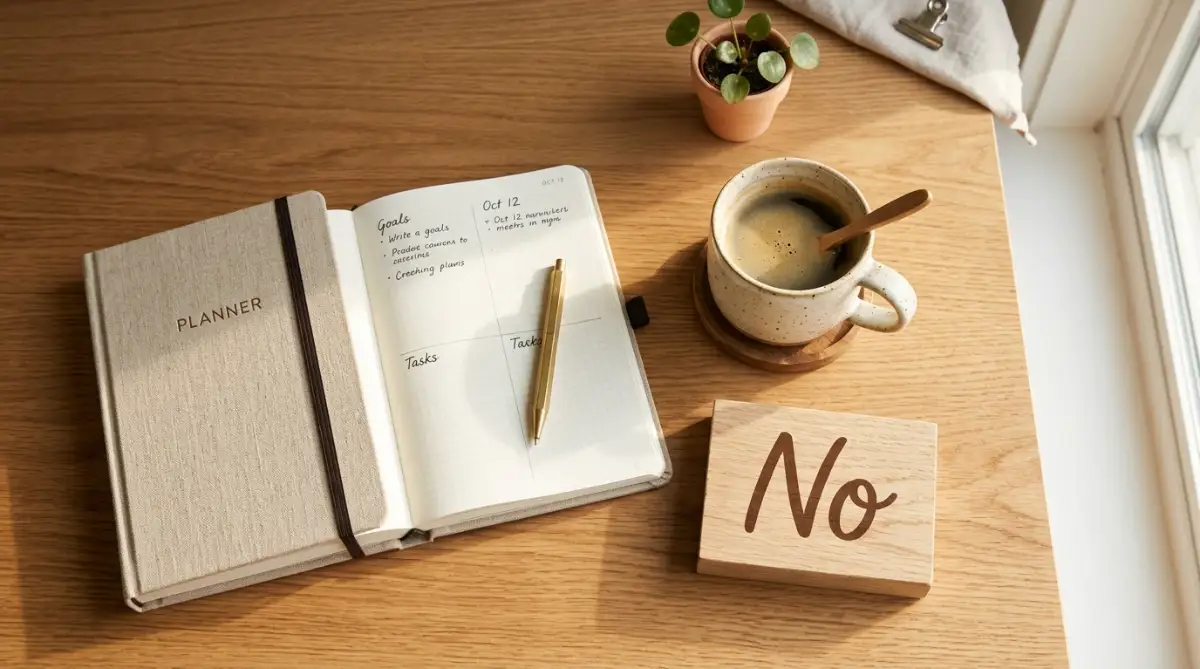
One of the biggest challenges we face is the pressure to please everyone. We say "yes" to extra work, social events we don't like, and favors that drain us. This leaves us with zero energy for ourselves, which is a fast track to burnout.
You have to realize that your time is a limited resource, just like money. Every time you say "yes" to something you don't care about, you are saying "no" to your own rest. It is okay to tell people, "I would love to help, but I don't have the space in my schedule right now."
True confidence comes from setting boundaries. People will actually respect you more when they see that you value your own time. You are not being mean; you are being honest about what you can give without falling apart.
Watch this incredibly helpful session to learn the exact mindset shifts you need to stay positive and win your day, even when everything seems to be going wrong!
Dealing with Difficult People Without Losing Your Cool
We all have that one person in our lives who seems to enjoy being difficult. Maybe it is a boss, a neighbor, or even a family member. Their words can stick in our heads for hours, ruining our mood and making us feel defensive.
The secret here is to stop taking their behavior as a reflection of you. Most people are mean or difficult because of their own internal struggles. When someone is rude, think of it as them "having a bad day" rather than you "doing something wrong."
When you stop taking things personally, you take away their power to hurt you. You can listen to their complaints, nod, and let the words go right past you. You stay calm, and they stay frustrated—that is a win for your mental peace.
Finding Your "Reset Button" During the Day
When things go wrong in the middle of the afternoon, we usually just push through it. We drink more caffeine and try to work harder, but our brains are actually screaming for a break. This is when we make the most mistakes and lose our confidence.
Instead of pushing, find a five-minute "reset." Walk around the block, listen to one song you love, or just breathe deeply for a minute. This tells your nervous system that you are safe and that the "emergency" is over.
I found that taking a short walk without my phone was the best way to clear my head. It feels like hitting the "refresh" button on a slow computer. When I come back to my desk, the problems that looked huge suddenly look much smaller and easier to fix.
The Science of Staying Positive When Life is Messy

You might think that some people are just "born" confident, but science says otherwise. Our brains are like muscles that we can train to handle stress better. This is called Neuroplasticity, which is just a fancy way of saying our brains can change based on our habits.
When we practice looking for small wins, our brain gets better at finding them. Instead of focusing on the one thing that went wrong, try to find three things that went right. Maybe the sun was shining, your lunch was tasty, or a friend sent you a funny meme.
By noticing these "Micro-Joys," you are literally rewiring your mind to be more resilient. Over time, you won't have to try so hard to be positive. Your brain will start doing it automatically, even when you are facing a tough day.
Pro Tip: I once tried to change ten habits at once and failed miserably in just three days. My mistake was trying to be perfect too fast. Now, I only focus on one small change at a time, like drinking more water or putting my phone away at 9 PM. Trust me, slow and steady is the only way to make it last.
Facing Your Fears One Small Step at a Time
A lot of our daily challenges come from things we are afraid to do. Maybe it is making an important phone call or asking for a raise. We wait and wait, and the fear grows bigger every day until it feels impossible.
The best way to handle this is to break the big fear into "tiny bites." If you are scared to give a presentation, start by just writing the first slide. If you are scared to talk to someone new, start by just saying "hello" to the cashier.
When you take a tiny action, you prove to your brain that you are safe. The fear doesn't go away completely, but it gets quiet enough for you to keep moving. Action is the best cure for anxiety, no matter how small that action is.
I used to be terrified of public speaking. I started by just speaking up once in a small meeting with friends. That tiny bit of "bravery" gave me the fuel to try something a bit bigger next time. Now, I can talk to a room full of people without my hands shaking.
Why Being Kind to Yourself is the Ultimate Power
We are often our own harshest critics. We say things to ourselves that we would never say to a friend. We call ourselves "stupid" or "lazy" when we make a mistake, and this destroys our confidence faster than anything else.
Next time you mess up, try talking to yourself like you would talk to a five-year-old child. You wouldn't yell at a child for dropping a glass; you would help them clean it up. Treat yourself with that same kindness and patience.
Self-compassion isn't about making excuses; it's about giving yourself the strength to try again. When you stop beating yourself up, you have more energy to actually solve the problem. Being your own best friend is the greatest "life hack" there is.
Remember that every expert was once a beginner. Every confident person you see has had days where they felt lost and overwhelmed. The only difference is that they learned how to keep going, one small step at a time.
You have the power to change your story starting right now. You don't need a new life; you just need a new way to look at the one you have. Take a deep breath, pick one thing to fix, and move forward with your head held high.
I’ve spent years learning these lessons the hard way, and I can tell you that it gets easier. The hurdles don't go away, but you get much better at jumping. Your confidence is waiting for you—go out there and claim it today!
Advanced Strategies for a Stress-Free and Confident Life
Now that we have covered the basics of daily routines, it is time to look at the "pro" level habits. These are the small secrets that successful people use to stay calm when everything around them feels messy.
One major secret is learning to manage Decision Fatigue. Did you know that every time you make a choice, your brain loses a little bit of energy?
By the time you get home from work, you might have made thousands of tiny choices. This is why deciding what to cook for dinner feels like such a huge, painful task.
To fix this, you should try to Automate your boring choices. For example, pick your outfit for the entire week on Sunday night.
Eat the same simple breakfast every morning so you don't have to think about it. When you save your brain's energy for the big things, you feel much more confident and clear-headed throughout the day.
Another advanced tip is to focus on Sleep Hygiene as a tool for mental strength. Most people treat sleep like a luxury, but it is actually a requirement for a healthy brain.
When you sleep, your brain literally washes itself of toxins that build up during the day. If you skip sleep, you are basically trying to drive a car with a dirty engine.
I started leaving my phone in the kitchen at 9 PM and reading a real paper book instead. My anxiety levels dropped almost overnight because I wasn't feeding my brain "digital sugar" before bed.
This simple change made me wake up feeling like I could handle any challenge. If you want to dive deeper into how modern habits affect you, check out the silent health killers hiding in your modern lifestyle to see how small changes save your health.
You should also look into Social Battery Management. We often feel drained because we spend time with people who take our energy instead of giving it.
Learn to recognize who your "energy vampires" are. You don't have to be mean to them, but you should limit how much of your day you give to them.
Spend more time with people who make you laugh and feel safe. This creates a "support net" that catches you when life gets tough.
Confidence often comes from feeling secure in your environment. This includes your digital world too. You can how to choose the right antivirus to make sure your personal data is safe, which removes one more worry from your plate.
Lastly, start a Weekly Review Habit. Every Sunday, spend fifteen minutes looking at what went well and what didn't.
Did you spend too much money? Maybe you can smart personal loan comparison to find ways to save.
Did you feel overwhelmed by work? Think about how you can simplify your tasks for the next week.
According to experts at Mayo Clinic, building resilience is all about self-awareness and practice. When you track your life, you become the director instead of just an actor.

The Dangerous Traps That Keep You Stuck in Stress
We often make mistakes when trying to improve our lives that actually make things worse. One of the most heartbreaking mistakes is the Perfectionism Trap.
We think that if we aren't doing everything 100% right, we have failed completely. This "all or nothing" thinking makes us want to give up the moment we slip up.
I remember when I tried to start a new diet. I ate one cookie, felt like a failure, and then ate the whole box because "the day was already ruined."
This is a terrible way to treat yourself. One mistake doesn't mean you are a failure; it just means you are human.
Another big pitfall is The Comparison Game. We look at other people's "highlight reels" on social media and compare them to our "behind the scenes."
You see someone buying a luxury car and you feel poor. But you don't see the massive debt they might have or the stress they feel every night.
If you are struggling with money, don't just look at what others have. Instead, learn how to create multiple income streams to build your own security.
Comparing yourself to others is like trying to win a race where everyone is running on different tracks. The only person you should try to be better than is the person you were yesterday.
Many people also fall into the Avoidance Trap. We think that if we ignore a problem, it will just go away on its own.
Maybe you have a bill you can't pay or a health issue you are worried about. Ignoring it only makes the fear grow bigger in the dark corners of your mind.
Facing a problem is always less scary than running from it. Even if the news is bad, knowing the truth allows you to make a plan.
For example, if you are worried about debt, learning about hidden personal loan fees can help you avoid making things worse. Knowledge is the light that kills the shadows of fear.
Don't forget the Digital Distraction Trap. We spend hours scrolling because we are bored or stressed.
But scrolling doesn't actually relax your brain; it just numbs it. You end up feeling more tired and less confident than when you started.
Try to trade thirty minutes of scrolling for thirty minutes of a hobby you love. Whether it is gardening, drawing, or just walking, it will feed your soul in a way a screen never can.
Lastly, be careful with The Isolation Trap. When we feel down, we tend to pull away from people.
We stop answering texts and stay home alone. But humans are social creatures, and we need connection to stay healthy.
Reach out to a friend even if you don't feel like it. Often, just talking for ten minutes can change your whole outlook on life.
A New Chapter of Confidence Awaits You
You have traveled through the common struggles and learned the secrets to a better life. It is important to remember that change doesn't happen in a single day.
It is the small, quiet choices you make every hour that build your future. Every time you choose to breathe instead of scream, you are winning.
Every time you choose to plan instead of panic, you are building a stronger version of yourself. You are the owner of your happiness, and you have all the tools you need right now.
Life will always have challenges, but they don't have to break you. You can look at a problem and say, "I have handled this before, and I can handle it again."
I have found that the most confident people aren't the ones without problems. They are the ones who have decided that they are bigger than their problems.
Think of confidence like a savings account. You don't get rich by depositing a million dollars overnight. You build it by making small, consistent 'deposits'—like saying no to a favor you don't have time for, or finishing that one tiny task you've been avoiding. Every small win is a deposit into your self-belief bank.
I want you to take one thing you learned today and try it out. Don't wait for Monday or next month—start right now with your next choice.
You deserve a life that feels peaceful and powerful. You have the heart of a lion, even if it feels a bit quiet sometimes.
Go out there and face your day with a smile. I know you can do it, and I am rooting for you every step of the way!
Common Questions About Managing Daily Challenges
Why do I feel overwhelmed even when I have nothing big to do?
This is often called "mental clutter." Your brain might be holding onto a lot of small, unfinished tasks or worries. Try writing everything down in a "brain dump" list to clear your mental space.
How can I stay confident when someone is being rude to me?
Remember that their rudeness is about them, not you. Take a slow breath and realize that you don't have to join their bad mood. Staying calm is the most powerful thing you can do in that moment.
Is it normal to feel tired all the time?
While it is common, it shouldn't be your "normal." It could be due to poor sleep, too much screen time, or hidden stress. Try changing one small lifestyle habit and see if your energy improves.
What is the fastest way to stop an anxiety attack?
The "5-4-3-2-1" technique is very helpful. Find 5 things you can see, 4 you can touch, 3 you can hear, 2 you can smell, and 1 you can taste. This pulls your brain out of your thoughts and back into the real world.
How do I start a new habit without giving up?
Make the habit so small that it is impossible to fail. If you want to exercise, start with just two minutes a day. Once it becomes a natural part of your routine, you can slowly add more time.
Disclaimer: The information provided in this blog post is for educational and informational purposes only. It is not intended to be a substitute for professional medical, psychological, or financial advice. Always seek the advice of your physician, therapist, or qualified financial advisor with any questions you may have regarding a medical condition or financial situation. Use of the tips and suggestions mentioned here is at your own risk.