The Hidden Anxiety Behind Building Your Own Dream
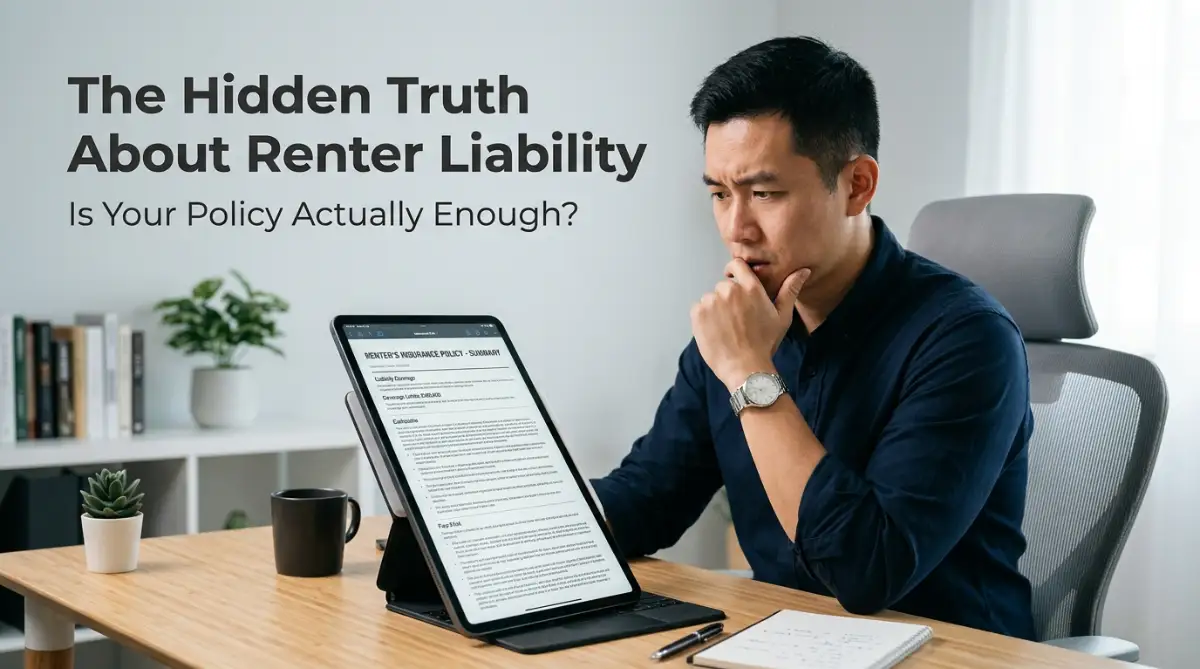
Let me ask you a quick question. If a customer slipped in your store today, or a hacker locked you out of your main computer, would your business survive the week? Most of us pour all our savings into our startups, but totally skip the safety net that actually keeps the doors open. I learned the hard way that assuming you are automatically covered is a fast ticket to going completely broke.
My immediate thought was about all the money I had poured into building this brand from absolutely nothing. The second thought, which hit me like a heavy brick, was whether I actually had the right protection plan in place to survive this nightmare. I honestly had no idea.
I had signed a bunch of complex paperwork months ago, completely assuming I was fully protected from these exact scenarios. That one blind assumption almost cost me my entire livelihood. It is terrifying how quickly a dream can turn into a financial disaster.
Many small enterprise owners wake up every single morning with this exact same anxiety gnawing at them. You pour your heart, soul, blood, and entire life savings into building something meaningful from scratch. Yet, one unexpected accident, a simple misunderstanding, or a minor property issue can wipe it all away in a matter of hours.

Quick Takeaways to Protect Your Setup
- Stop assuming a basic general policy covers your expensive physical equipment or digital data.
- Never mix your personal family assets with your daily company operations.
- Always update your paperwork the exact day you buy new gear or hire a new worker.
- Cyber threats are your biggest risk right now; a basic password will no longer keep your doors open.
Mapping Out Your Hidden Real-World Vulnerabilities
To accurately figure out your safety net, you first have to honestly look at the ugly risks surrounding your daily operations. You cannot put a strong bandage on a wound if you do not even know where you are bleeding. Every single company faces totally unique threats based on their location, industry, and customer base.
Think of your business protection plan like a customized umbrella for a stormy day. A tiny, cheap umbrella will not help you survive a massive hurricane, and a giant beach umbrella is entirely useless for a light drizzle. You need to identify exactly what kind of storm your specific business is most likely to face.
Let us look at a practical, real-life example to make this super simple. Imagine you run a highly popular neighborhood bakery that sees hundreds of footfalls every single morning. Your biggest immediate threat is likely a customer slipping on a wet floor after you mop up a spilled coffee.

On the other hand, if you run a remote graphic design agency from your bedroom, nobody is slipping on your floor. However, a major cyber attack could easily wipe out your clients' sensitive files in an instant. Both businesses are valuable, but their specific vulnerabilities are completely opposite.
You need to take a blank piece of paper and write down the top five absolute worst-case scenarios for your specific daily operations. Do you have expensive physical equipment that could be stolen tonight? Do you offer professional advice that a client could potentially sue you for if things go wrong?
I honestly thought a basic general policy covered my expensive laptops and camera gear, but I was completely wrong. I learned the hard way that off-site equipment needs a very specific type of add-on protection, which cost me a fortune to replace out of pocket. Always double-check if your mobile gear is truly safe when it leaves your main office building.
Once you write down these worst-case scenarios, the confusing fog starts to clear up instantly. You are no longer guessing what kind of safety net to buy. You are intentionally looking for specific solutions to very specific, realistic problems.
Decoding the Foundation of Your Enterprise Safety Net
Are you struggling to understand the core differences in protection plans? Watch this quick breakdown below to clear your confusion instantly before moving to the next step.
Almost every single commercial operation needs a solid foundation to stand on before adding any fancy extras. This core foundation usually starts with general liability protection. It is essentially your first major line of defense against the most common, everyday accidents that happen in the physical world.
If someone visits your shop, trips over a loose rug, and breaks their wrist, this foundational layer steps in to cover the heavy medical bills. It also protects you if you or your employees accidentally damage a client's physical property while working at their location. This is the absolute minimum requirement for interacting with the general public.
However, many people wrongly assume this covers absolutely everything under the sun. It completely ignores things like your own damaged property, your injured employees, or mistakes in your professional services. You have to treat general liability as the basic frame of a house, not the entire completed building.
Next, you have to seriously evaluate your physical assets and commercial property needs. If a massive fire breaks out in your warehouse tonight, who pays for the lost inventory? If a severe storm destroys your expensive office computers, can you afford to replace them tomorrow morning?
Commercial property protection is designed to replace your physical buildings, expensive tools, heavy machinery, and stored inventory. Even if you rent your office space, your landlord's policy will definitely not cover your personal business items inside the room. You must take full responsibility for your own physical assets.
By clearly separating your third-party risks from your own physical property risks, you simplify the entire buying process. You stop looking at coverage as one giant confusing package and start seeing it as individual building blocks. This logical approach saves you from overpaying for useless extras.
Analyzing the Unique Threats of Your Specific Industry
Your industry dictates a massive portion of the risks you carry on your shoulders. A local roofing contractor faces incredible physical danger every single time they climb a ladder. A freelance financial advisor faces zero physical danger, but immense legal danger if they give bad investment advice.
This is where professional liability, often called errors and omissions, becomes extremely important for service-based businesses. If you provide any kind of professional service, consultation, or expert advice, a client can easily claim you made a costly mistake. Even if you did absolutely nothing wrong, defending yourself in court costs an unbelievable amount of money.
Let us say you are a small marketing agency, and you accidentally print the wrong phone number on a client's massive billboard campaign. The client loses thousands of dollars in potential sales and immediately decides to sue your agency for the massive loss. A general plan will totally ignore this claim, but a professional liability plan will cover your legal defense.
You must ask yourself if your daily work directly impacts your clients' financial well-being, physical health, or overall reputation. If the answer is yes, you absolutely cannot operate safely without this specific professional layer of defense. It is the only thing standing between a simple human error and total bankruptcy.
On the flip side, if you are running a manufacturing plant, your focus should heavily shift towards product liability. If a physical item you create, sell, or distribute ends up harming a consumer, you are legally held responsible. You must deeply understand the exact nature of what you sell to protect yourself properly.
Protecting the People Who Help Build Your Vision
Your employees are easily the most valuable, important asset your entire business possesses. Without their hard work, daily dedication, and time, your company simply cannot function or generate any real revenue. However, having a team also introduces a completely new layer of heavy responsibility and legal obligation.
Workplace injuries happen every single day, even in the safest, most modern office environments. An employee could easily develop severe carpal tunnel syndrome from typing, or hurt their back lifting a heavy box of printer paper. When these unfortunate accidents happen on your watch, you are financially responsible for their medical care and recovery.
Worker's compensation is not just a highly recommended safety net; it is usually legally required by most local governments the moment you hire your very first team member. This specific plan steps in to pay for their hospital bills, ongoing rehabilitation, and a portion of their lost wages while they recover at home.
Without this protection, an injured worker has the absolute legal right to directly sue your business for their medical expenses and suffering. This type of lawsuit can easily completely drain your bank accounts in a matter of weeks. Protecting your team actually means protecting your own financial future.
Beyond physical injuries, you also have to consider the complex human resources side of managing a growing team. Claims regarding wrongful termination, discrimination, or workplace harassment are becoming extremely common in modern workplaces. Employment practices liability is a specific tool designed to defend your company against these highly sensitive, complicated legal battles.
Establishing a Powerful Defense Against Digital Criminals
We do a massive amount of our daily business strictly over the internet right now. We store our customers' private credit card details, their personal home addresses, and incredibly sensitive project files on random cloud servers. This heavy reliance on digital tools opens up a terrifying new door for invisible criminals.
Small enterprises are actually the biggest targets for international hackers right now. Cybercriminals know that massive corporations have expensive, highly advanced security systems in place. Small business owners, however, usually just have a basic, easily guessable password protecting their entire livelihood.

A sudden data breach can paralyze your entire operation in mere seconds. Hackers can completely lock you out of your own customer database and demand a massive ransom payment to give it back. Worse, they can leak your clients' private information, completely destroying the valuable trust you spent years building.
Cyber liability protection is no longer just a fancy luxury for massive tech companies in silicon valley. It is an absolute necessity for anyone who accepts digital payments, stores emails, or uses cloud accounting software. This layer helps cover the heavy costs of recovering lost data, notifying angry customers, and surviving the legal fallout of a digital breach.
You must honestly evaluate your digital footprint today. How much sensitive data are you actively storing on your local computers or phones? If you lost access to everything right this second, how much money would you realistically lose by tomorrow morning? Answering these questions helps you measure exactly how much digital protection you need to buy.
Moving Beyond Basics: Pro-Level Protection Strategies
Now that we have covered the foundational building blocks, it is time to look at some advanced strategies that successful entrepreneurs use to stay totally secure. Buying a basic safety net is just your first step. Managing and optimizing that protection is what actually keeps your doors open during a massive crisis.
My biggest wake-up call happened when a heavy storm knocked out power to my entire neighborhood for a full week. I lost thousands of dollars in spoiled inventory, but the worst part was that I could not serve any customers or make a single dime. I had totally ignored something called business interruption protection, and it nearly wiped out my entire savings account.
Business interruption coverage is basically a magical bridge that keeps your cash flow moving when you are forced to shut down unexpectedly. If a fire, storm, or major disaster forces you to close your physical shop, this plan steps in. It helps pay your ongoing rent, covers your employees' regular payroll, and even replaces your expected daily profits.
Think about how incredibly stressful it would be to pay your commercial rent out of your own pocket while your store is physically destroyed. Having this specific financial bridge allows you to sleep peacefully at night, knowing your family will not go hungry during a natural disaster. You should always strongly consider adding this to your main property plan.
Mastering the Art of Accurate Asset Valuation
Another massive secret that seasoned owners know is how to properly value their physical assets. Most beginners just guess how much their office equipment or warehouse inventory is worth. This wild guessing game usually leads to totally inadequate protection when a real disaster finally strikes your property.
You need to completely rethink how you track what you own. I highly recommend taking a full weekend to meticulously document every single piece of equipment you use for work. Take clear photos, record the exact serial numbers, and keep a digital folder with all your original purchase receipts.
When you know exactly what you own, you can confidently figure out how to properly calculate your personal liability protection limits without overpaying. You never want to pay high monthly premiums for equipment you threw away months ago. Similarly, you do not want to realize your brand new expensive computers are completely unprotected after a midnight robbery.
Pro Tip: I completely ruined my first claims process because I kept all my physical receipts inside a desk drawer that actually caught fire. Always upload your inventory videos and digital receipts to a secure cloud server. This simple, free habit guarantees you can easily prove exactly what you lost to an adjuster.
Hardening Your Internal Daily Operations
Your safety net should never be an excuse to run a sloppy, dangerous operation. The smartest way to keep your monthly costs incredibly low is to actively prevent bad things from happening in the first place. You have to create a strong culture of safety and responsibility within your own team.
If you run a physical workspace, you should frequently check official government guidelines for workplace safety, like those provided by the Occupational Safety and Health Administration (OSHA). Following strict federal safety standards dramatically reduces the chances of a terrible employee injury happening on your watch. Fewer injuries mean your worker's compensation rates stay extremely low.
The same logic directly applies to your digital workspace. You cannot just buy cyber protection and then carelessly leave your customer databases completely unlocked. You have to train your team to recognize dangerous phishing emails and secure their daily communications.
Your 60-Second Digital Security Checklist:
- Turn on Two-Factor Authentication (2FA) for your main business email right now. Do not wait until tomorrow.
- Stop sharing your admin passwords in chat apps like Slack or WhatsApp.
- Make it a strict habit to back up your client data to an offline hard drive every Friday afternoon.
For example, you need to actively stop sharing passwords on slack and secure your small business today by using encrypted management tools. Following recognized digital frameworks, like those from the National Institute of Standards and Technology (NIST), shows providers that you take security seriously. Taking these proactive steps can often qualify you for massive discounts on your monthly premiums.

The Most Dangerous Traps Business Owners Fall Into
The absolute worst mistake you can make is treating your company protection like a slow cooker where you just "set it and forget it." I see so many passionate entrepreneurs buy a policy on their very first day of business and never look at it again. This kind of heavy neglect is a massive ticking time bomb for your finances.
Your business is a living, breathing entity that constantly changes and grows every single month. If you bought protection when you had zero employees and a tiny home office, that same plan will not protect you when you have ten workers and a giant warehouse. Failing to update your documents is a recipe for a completely denied claim.
You have to be incredibly careful about the fatal mistakes policyholders make when evaluating auto-renewal documents sent by their providers. Many owners just blindly pay the renewal bill without reading the newly attached terms. Providers frequently change their rules, lower their payout maximums, or add sneaky new exclusions without loudly announcing it.
Always schedule a mandatory annual review meeting with your professional agent. Sit down with them, explain exactly how your business has grown, and ask if any new vulnerabilities have opened up. Taking just one hour a year to do this can easily save you from total bankruptcy.
Ignoring the Heavy Cost of Rising Inflation
A very silent, sneaky trap that catches thousands of owners off guard is the massive impact of economic inflation on their physical property. Let us imagine you insured your custom bakery ovens for exactly what you paid for them five years ago. If a fire destroys them today, replacing those exact same ovens might cost double the original price.
If your plan only pays out the original depreciated value, you will have to find thousands of dollars out of your own pocket to reopen your store. This is why you must deeply understand how your specific property is valued in your paperwork. You always want to secure "replacement cost" coverage rather than "actual cash value."
Replacement cost ensures you get enough money to buy brand new equipment at today's expensive market prices. Yes, it costs slightly more per month, but it is entirely worth the heavy investment. You never want to be punished for the economy's natural price hikes during your darkest, most stressful moments.
Skimming Past the Dangerous Fine Print
We all hate reading massive walls of complicated legal text, but skipping the fine print is a terribly dangerous habit. The tiny text at the bottom of your contract dictates exactly what situations will cause your provider to completely walk away. If you do not know your exclusions, you are walking entirely blindfolded into a minefield.
For instance, many people are horrified to discover the shocking health insurance traps hidden in the fine print, and commercial policies are equally tricky. A standard commercial property plan almost never covers damage from natural floods or deep earth movements like earthquakes. If your office sits in a known flood zone, you are totally unprotected unless you buy a completely separate, specific flood plan.
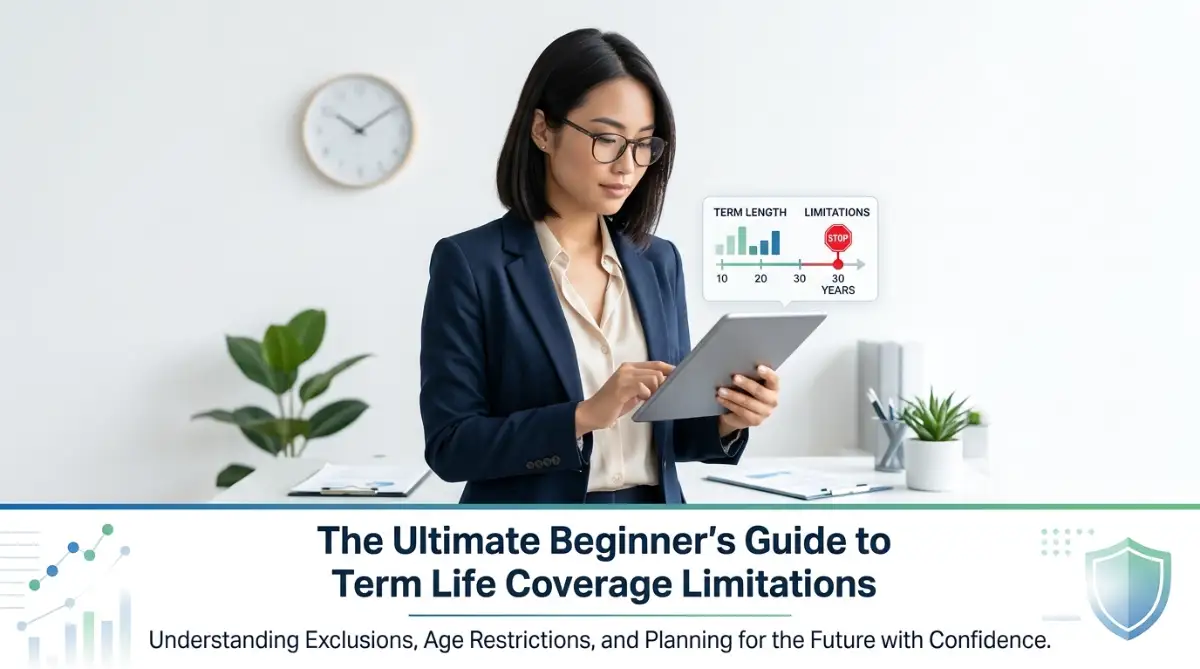
You must act like a detective and aggressively ask your agent exactly what is not covered. Make them explain every single exclusion in plain, simple English until you fully understand it. Taking the time to understand these limits is just like learning the ultimate beginner's guide to term life coverage limitations; knowledge is your ultimate power.
Mixing Personal Assets with Company Liabilities
When you are first starting out, it feels super easy to just use your personal car for company deliveries or store inventory in your family garage. However, mixing your personal life with your business operations creates a massive legal nightmare. Standard personal plans will almost always instantly deny a claim if they find out you were doing commercial work.
If you get into a fender bender while delivering a huge custom cake to a client, your normal family auto plan will likely refuse to pay. You might even find yourself dealing with complicated lawsuits and struggling to understand the truth behind personal injury claims in small auto crashes. You must keep a strict, solid wall between your personal assets and your professional duties.
This means securing a dedicated commercial auto plan if your vehicles are used for any kind of company task. You can read extensive resources from the Small Business Administration (SBA) to understand exactly how to separate your legal liabilities safely. Treating your business like a totally separate legal entity is the smartest way to protect your personal family savings from a disastrous corporate lawsuit.
Building Your Unbreakable Business Shield Today
Figuring out exactly how to protect your daily operations does not have to feel like a massive, terrifying chore anymore. When you break it down into logical, simple steps, you instantly regain total control over your own financial destiny. You are simply identifying your biggest threats and building a strong, customized wall to block them out.
Here is your straightforward action plan for the next forty-eight hours:
First, grab a notebook and write down your top three biggest daily fears regarding your company's physical and digital safety. Next, thoroughly document your most expensive physical assets and back up that list to a secure cloud folder. Finally, call an independent professional agent and ask them to directly compare your list of fears against your current paperwork.
Do not let the confusing legal jargon intimidate you into making blind, uninformed decisions. Ask as many annoying questions as you need to until you feel completely confident in your safety net. You are the boss, and you have every right to fully understand where your hard-earned money is going every single month.
I know exactly how overwhelming it feels to carry the heavy weight of an entire company on your own shoulders. But I also know the incredible, unmatched feeling of peace that washes over you when you finally know your dream is safely locked down. Take a deep breath, tackle these steps one by one, and confidently secure the beautiful business you have worked so incredibly hard to build.
Common Questions About Small Enterprise Protection
Why is general liability not enough for my company?
General liability only covers very basic physical accidents, like a customer slipping on your wet floor. It completely ignores things like digital hacker attacks, mistakes in your professional advice, or damage to your own physical tools. Relying on it alone leaves massive holes in your financial defense.
Can I legally operate without worker's compensation?
In almost every single local jurisdiction, worker's compensation is an absolute legal requirement the exact day you hire your first employee. Trying to skip this mandatory requirement can result in massive government fines or your business being forcibly shut down. It is simply never worth the heavy legal risk to ignore it.
How often should I review my current protection plans?
You should sit down with your agent for a full review at least once every single year. However, if you buy expensive new machinery, move to a bigger office, or hire a bunch of new team members, you need to update your files immediately. Your protection must always accurately reflect your current reality.
Does my landlord's policy cover my office equipment?
No, your commercial landlord's policy strictly covers the physical building structure that they actually own. If a fire burns down the building, their plan rebuilds the walls, but your destroyed laptops, desks, and inventory are your own problem. You must secure your own commercial property coverage to replace your specific items.
Is cyber protection really necessary for a tiny operation?
Yes, small operations are actually the favorite targets for modern digital criminals because they usually have incredibly weak security walls. If you store any customer emails, accept credit cards, or use cloud software, you are constantly at risk. A cyber plan pays for the heavy data recovery costs and legal fees after a sudden breach.
Disclaimer: The information provided in this article is strictly for educational and informational purposes only and does not constitute formal legal, financial, or professional insurance advice. Every business situation is highly unique. You should always consult with a licensed professional agent or legal counsel in your specific area before making any final decisions regarding your commercial coverage needs.