
The Hidden Nightmare of Buying the Perfect House in the Wrong Neighborhood
Let's be honest for a second—you can easily fix an ugly kitchen, but you cannot fix a terrible street. So many of us get totally distracted by shiny granite countertops and completely ignore what is happening right outside the front door. If you buy a dream house in a nightmare neighborhood, you are setting yourself up for daily misery. I want to show you exactly how to spot those hidden red flags before you hand over your life savings.
The morning traffic right outside my window made my commute totally unbearable. The closest grocery store was miles away, meaning a simple milk run took nearly an hour out of my evening. That was the exact moment I learned a very hard lesson. A great house can never fix a bad neighborhood, no matter how much money you spend on renovations.
So many of us make this exact mistake when hunting for a new home. We get emotionally attached to the floor plan, the huge windows, or the beautiful bathrooms. We completely forget that our daily peace of mind is actually tied to what happens outside those front doors.
These small, daily frustrations slowly eat away at the joy of homeownership. Your beautiful living room does not feel relaxing when you are stressed about the long drive to work the next morning. It is absolutely heartbreaking to realize you spent your life savings on a place that actually makes your daily life harder.

Before You Buy: The 30-Second Neighborhood Checklist
-
Drive the commute on a rainy Tuesday: Weekend map estimates lie to you. Test the real traffic.
-
Check the local zoning laws: That quiet empty lot next door could be a noisy strip mall tomorrow.
-
Talk directly to the neighbors: They will give you the brutal truth the seller is trying to hide.
-
Listen for hidden noise: Park on the street at 10 PM, roll down your windows, and just listen for five minutes.
Smart Ways to Evaluate a Neighborhood Before You Sign Anything
When you finally decide to buy a property, you are not just buying four walls and a roof. You are essentially buying into a specific lifestyle, a community, and a daily routine. This is why you need to completely shift your focus during the home-buying process.
Before you even look at the kitchen cabinets, you need to deeply analyze the streets around the property. Let us look at some highly practical ways to make sure you are picking an area that actually supports your happiness and peace of mind.
The Commute Trap That Steals Your Free Time
One of the biggest mistakes you can make is underestimating your daily travel time. A house that is forty miles outside the city center might be cheaper on paper. However, you pay for that distance with your personal time, your fuel costs, and your mental health.
Spending two hours every single day stuck in heavy traffic means you miss out on family dinners and evening relaxation. Over the span of a few months, this lost time builds up into serious burnout. You must physically drive from the property to your workplace during morning rush hour before making an offer.
Do not just rely on digital map estimates at two in the afternoon on a Sunday. Experience the exact route you will take when the roads are packed with angry drivers. If the drive makes you feel exhausted and annoyed, that house is simply not worth the asking price.
My Personal Commute Reality Check (Do Not Skip This):
-
Tuesday at 7:30 AM: Drive from the target house to your workplace. (Record the actual time)
-
Friday at 5:30 PM: Drive from your workplace back to the house. (Record the actual time)
-
Sunday at 10:00 AM: Drive to the closest grocery store. (Record the actual time)
Don't just guess these times using a map app. Actually get in your car and test them physically.
Schools and Community Safety: More Than Just Resale Value
You might not have children, so you might think the local school district does not matter to you at all. This is a massive misunderstanding of how real estate markets actually function. Homes located in highly rated school districts hold their value incredibly well during economic downturns.
Families will always want to move into areas with great education options. This creates a constant demand for your property if you ever decide to sell it down the line. Beside the financial aspect, good school districts usually mean safer, better-maintained neighborhoods.
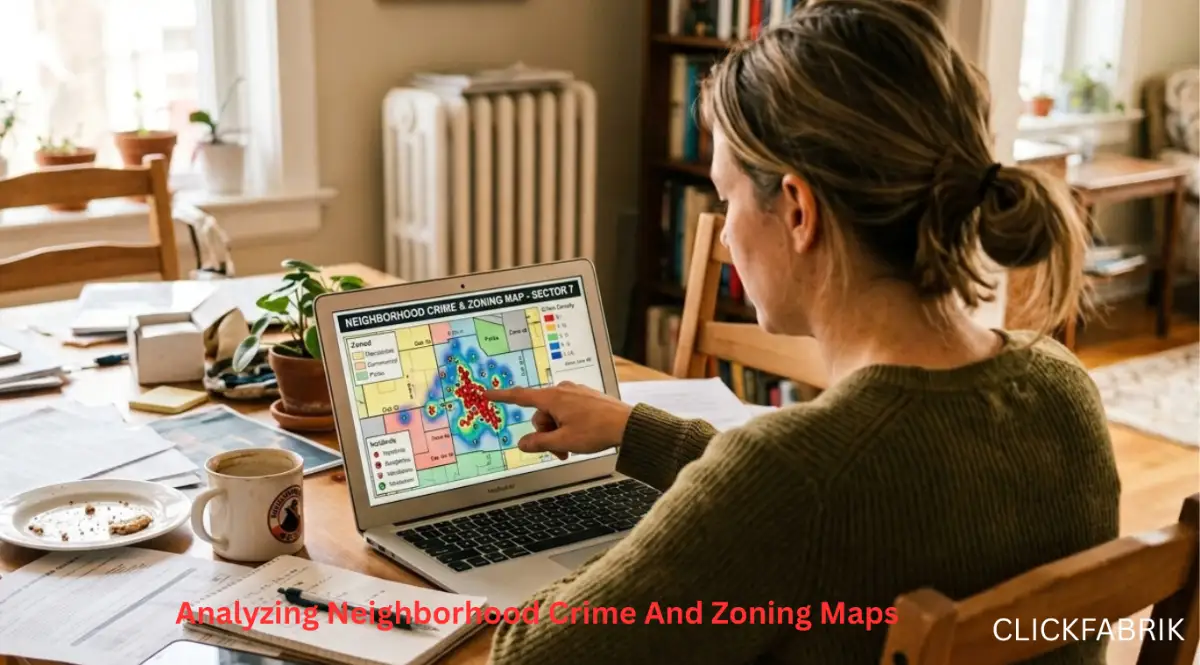
Local governments tend to invest heavily in the infrastructure, parks, and street lighting around strong educational zones. You get to enjoy clean sidewalks, active neighborhood watches, and a general sense of community safety. Always check the local crime maps and school ratings, even if you are a single buyer looking for a quiet place to live.
Myth vs. Reality: The Truth About Neighborhood Potential
The Myth: Buying in a very cheap, run-down neighborhood is always a smart investment because the area will naturally improve over time.
The Reality: Areas only improve if there is active government funding, incoming businesses, and structural development planned. Hoping an area gets better without solid evidence is just gambling with your life savings.
Pro Tip: I once bought a property specifically because the real estate agent promised a massive new shopping center was being built just down the road. I waited five years, and that empty lot remained completely covered in weeds because the developers ran out of funding. My advice is to only buy a property based on the amenities that physically exist today, never on a promise of what might happen tomorrow.
Watch This Expert Breakdown on Spotting a Good Neighborhood
If you want to know exactly what warning signs to look out for when driving through a new area, you absolutely need to watch this incredibly helpful breakdown below.
The Hidden Value of Walkability and Local Amenities
Think about what you like to do on a lazy Saturday morning. Do you enjoy grabbing a fresh cup of coffee, walking to a nearby park, or easily running to the pharmacy? A highly walkable neighborhood dramatically improves your overall quality of life.
Being able to leave your car in the driveway and simply walk to your favorite spots reduces daily stress. It also forces you to step outside, get some fresh air, and actually meet the people living around you. Neighborhoods with good walkability scores are highly sought after and command premium prices.
Take a long walk around the block of your potential new home. See if there are clear sidewalks, safe crosswalks, and mature trees providing shade. If you have to get into your car and merge onto a busy highway just to buy a loaf of bread, you might want to reconsider that location.
Understanding the Impact of Noise Pollution
Noise is something you cannot see on a property listing, but it will absolutely dominate your living experience. A house might look perfectly peaceful during a Sunday open house event. But what happens on a Tuesday morning when the nearby factories start operating?
What happens late at night if the house is situated on a popular route for emergency vehicles? Chronic noise pollution can lead to serious sleep deprivation and anxiety. You will find yourself keeping all the windows tightly shut just to get a moment of silence.
To avoid this, you need to visit the property at several different times of the day and night. Park your car on the street, roll down the windows, and just listen for a few minutes. If you hear constant heavy traffic, loud trains, or industrial hums, walk away and find a quieter street.
Future Proofing Your Lifestyle Choices
You need to think about how your life might naturally change over the next five to ten years. A vibrant, loud downtown apartment might be incredibly fun in your twenties. However, it might feel highly frustrating if you decide to start a family and need a quiet space.
Choosing a location means predicting your own future needs to some extent. You want an area that offers flexibility, good healthcare facilities nearby, and easy access to major transport hubs.
When you buy a house, you are putting down deep roots in a specific piece of the world. By prioritizing the location over the cosmetic details of the house, you ensure those roots grow in healthy soil. You can always change the ugly wallpaper or upgrade the old flooring, but you can never physically move the house to a better street.
Mastering the Art of Neighborhood Scouting Like a Pro
If you really want to protect your investment, you have to look much deeper than the street name. Finding the perfect area is not just about driving around on a sunny afternoon and admiring the trees. It requires a bit of detective work to uncover the true daily reality of the community.
One of my biggest secrets is learning to analyze what real estate experts call "micro-locations." You might find an amazing house in a highly rated neighborhood, but its specific spot on the street ruins everything. Being located right next to a busy community pool, for example, means you will deal with constant noise and nowhere to park your car during summer weekends.
Even the side of the street your house sits on can completely change your living experience. A house at the bottom of a steep hill might collect massive amounts of rainwater in the yard every time a heavy storm hits. You need to think about these tiny geographical details before you put down a massive deposit.
The Empty Lot Scenario: A Risky Gamble
Let us talk about that beautiful, quiet empty field right across the street from the property you love. Many buyers assume that empty land will stay green and peaceful forever, which is a massive misunderstanding. If you do not own that land, you have absolutely zero control over what happens to it.
Before you make an offer, you need to check the official local zoning guidelines from the American Planning Association or your local city hall. That quiet green field might be zoned for commercial use, meaning a loud gas station or a 24-hour fast-food drive-through could be built there tomorrow. If you want to avoid sneaky property buying mistakes that cost thousands, you must investigate who owns the land around you.
Always ask your real estate agent to pull the public records for any surrounding undeveloped land. Knowing exactly what the city has planned for the next decade will save you from a complete nightmare.
Quick Fact Check: The "Quiet Field" Illusion
-
What you see: A peaceful, green meadow right across the street.
-
What the city sees: A prime piece of commercial real estate legally zoned for a 24-hour fast-food drive-through.
-
What you must do: Go to your local city hall's website and look up the official 'Zoning Map' for your specific block. It takes five minutes and might save your sanity.
Talk to the Real Experts: The Neighbors
You can look at online maps all day long, but nobody knows an area better than the people currently living there. The current homeowner is trying to sell you the house, so they will naturally hide the negative details. Your best source of brutal honesty is always the neighbor watering their lawn next door.
Take a walk down the street without your agent and simply say hello to the locals. Ask them what they love about living there and, more importantly, what frustrates them. They will happily tell you if the local dogs bark all night or if the street floods every spring.
Getting a feel for the community vibe is a huge part of the simple steps for first-time buyers that many people completely ignore. If the neighbors seem unfriendly or warn you about constant power outages, you should probably walk away.

The Heartbreaking Traps Property Buyers Fall Into
When we shop for homes, our emotions often completely take over our logical thinking. We step into a beautifully staged living room with perfect lighting, and we instantly imagine our happy future there. This emotional blindness makes buyers ignore massive red flags sitting right outside the front door.
Buying the Best House on the Worst Street
There is an old saying in real estate that you should never buy the most expensive home in a bad area. If you buy a massive, fully renovated mansion surrounded by run-down properties, your home's value is permanently trapped. When it comes time to sell, buyers looking for luxury homes will refuse to live in that specific area.
Instead, it is always a much smarter financial move to buy the worst house on the best street. You can slowly upgrade an ugly kitchen or replace old carpets over time. As you improve the property, the high value of the surrounding neighborhood will pull your home's worth up with it.
Falling for the beautiful interior while ignoring the declining exterior surroundings is one of the most costly housing traps you can fall into. The National Association of Realtors neighborhood research consistently shows that surrounding property conditions heavily dictate your own home's appraisal value.
Ignoring Mother Nature's Warning Signs
Another huge pitfall is totally forgetting to research the natural environment and local climate risks. A house near a beautiful, trickling creek looks incredibly romantic during the dry season. However, that same creek can easily overflow and destroy your basement during heavy seasonal rains.
Before signing any contracts, spend some time checking official FEMA flood map databases or your local environmental equivalents. Finding out you need to pay for highly expensive, specialized flood insurance after you move in is a terrible surprise.
You should also look into local soil conditions and historical data on wildfires if you are buying near heavily wooded areas. Avoid these hidden real estate errors by making sure the location is naturally safe and insurable.
The Illusion of a "Quick" Commute
You must physically drive the route during peak morning rush hour on a rainy Tuesday. Bad weather and heavy traffic can easily turn a twenty-minute highway zip into an hour-long miserable crawl. Having a clear guide to buying your new house without stress means actually putting in the physical legwork to test your future daily routine.
Your Action Plan for Finding the Perfect Home Base
You now have a deep understanding of why the streets surrounding your house matter just as much as the roof over your head. Finding the right spot requires patience, a bit of deep research, and a willingness to walk away from bad deals. You are not just investing your money; you are investing your future peace and daily happiness.
Start by making a strict list of your absolute non-negotiables for a neighborhood. Decide exactly how long you are willing to commute and what kind of local amenities you truly need. Stick to this list tightly, and do not let a shiny new kitchen distract you from your main goals.
Always take the time to do your homework on local zoning, crime rates, and community safety. Use community crime mapping tools provided by local police departments to see the real data, not just what the seller tells you. A beautiful life starts with a strong, secure foundation in a place where you truly feel comfortable.
I remember nearly buying a house that backed up against a busy commercial railway track simply because it had a stunning backyard deck. Thank goodness my gut told me to sit in that backyard for an hour, where I quickly realized the noise was completely unbearable. My biggest hope is that this guide helps you trust your own instincts, avoid similar disasters, and find a neighborhood that brings you genuine joy every single day.
Common Questions About Choosing the Right Property Location
Is it actually better to buy a smaller house in a much better neighborhood?
Yes, it is almost always better to choose a smaller or older home in a highly desirable area. A great neighborhood protects your financial investment and provides a much safer, more enjoyable daily lifestyle. You can always add an extension to a small house, but you cannot move a big house to a better street.
How do I know if a neighborhood is actually safe before moving in?
Do not just guess based on how the street looks during the day. You should check local online crime maps, call the non-emergency police line to ask about the area, and visit the street late at night. Seeing how well the street is lit and observing the nighttime activity will give you the most honest answer.
Does being really close to a grocery store increase property value?
Yes, being within a short walking or driving distance to daily necessities like grocery stores and pharmacies is a huge selling point. It drastically improves the walkability score of the area, making it highly attractive to future buyers. People love convenience, and they are always willing to pay a premium for it.
Should I worry about empty land or old buildings near the house I want to buy?
You should absolutely look into it before buying. Empty land can easily be turned into loud commercial zones, busy apartment complexes, or industrial sites. Always check the city zoning laws to see exactly what is legally allowed to be built on those nearby spaces.
Disclaimer: The information provided in this article is for general educational and informational purposes only and does not constitute financial, legal, or real estate advice. Real estate markets change constantly, and every individual's financial situation is totally unique. Always consult with a licensed real estate agent, financial advisor, or legal professional before making any property purchasing decisions.