
Why I Kept Feeling Exhausted (And What My Body Was Trying to Tell Me)
You know that awful feeling when 3 PM hits and you suddenly want to sleep under your desk? Yeah, that was my life for months. I blamed my old mattress, my heavy workload, and even my afternoon coffee habit. But it turned out the fix was embarrassingly simple, completely free, and sitting right in my kitchen sink.
I constantly felt this thick brain fog pulling me down, making it impossible to focus on simple tasks. No amount of hot coffee seemed to fix my sluggish mood; in fact, the caffeine only made me feel more jittery and completely dried out inside. I remember sitting at my desk one Tuesday, rubbing my temples, thinking my overall health was rapidly going downhill.
I was secretly worried that something was seriously wrong with me. It turned out, I was simply missing a very basic human need that we all take for granted. My body was silently begging for water, and I was completely ignoring every single sign it gave me.
When you do not give your system enough fluids, every single organ has to work twice as hard just to keep you going. Your blood literally becomes thicker, making your heart pump with much more effort just to deliver oxygen to your brain. This silent struggle completely ruins your mood, destroys your productivity, and quietly drains your happiness.
In a Rush? Here Are the Main Things You Need to Know:
- That random afternoon crash is usually your body begging for fluids, not another sugary snack.
- Drinking a whole gallon of water at once is a terrible idea; you need to sip slowly so your cells can actually absorb it.
- Totally clear urine is a red flag that you are losing valuable minerals. Always aim for a pale, light yellow color.
- Adding a tiny pinch of salt or eating water-heavy fruits helps your body lock in hydration much faster than plain water alone.
Decoding the Silent Alarms: What Your Body Needs You to Know
Most of us were taught that feeling thirsty is the main way to know we need a drink. But the truth is, by the time your mouth feels dry and you actively crave water, your system is already running on empty.
Our bodies are incredibly smart machines that send out tiny distress signals long before things get dangerous. If you know exactly what to look for, you can stop these problems right in their tracks. Let us explore the sneaky ways your body asks for help and how you can easily fix it.
That Mid-Afternoon Energy Crash
Do you often feel like taking a nap around 2 PM or 3 PM every single day? Most people assume this is just a normal "sugar crash" from eating a heavy lunch.
However, unexpected and overwhelming tiredness is actually one of the very first physical reactions to fluid loss. When your blood volume drops due to lack of water, your heart works overtime.
This extra effort leaves your muscles and your brain feeling completely drained of energy. Before you reach for another cup of coffee, try drinking a tall glass of cool water and wait fifteen minutes. You will be amazed at how quickly your natural energy levels bounce back.
The Mystery Headaches That Will Not Go Away
We all get headaches from time to time, but frequent, dull pains in the front of your head are a massive red flag. When you lose too much fluid, your brain actually shrinks away from your skull just a tiny bit.
This subtle shrinkage triggers the pain receptors surrounding your brain, causing that annoying, throbbing sensation. Popping a painkiller might mask the discomfort, but it will never solve the root cause.
Next time a headache creeps up on you, try drinking two full glasses of water before taking any medication. You might find that the pain slowly melts away on its own.
If you are still wondering why your afternoon fatigue hits so hard, you need to see exactly what happens inside your brain when you lack water. This quick video explains the science behind hydration in a way that will completely blow your mind.
When Your Skin Loses Its Natural Bounce
Your skin is the largest organ you have, and it holds a massive amount of your total body water. When you run low on fluids, your system pulls water away from your skin to protect your inner organs.
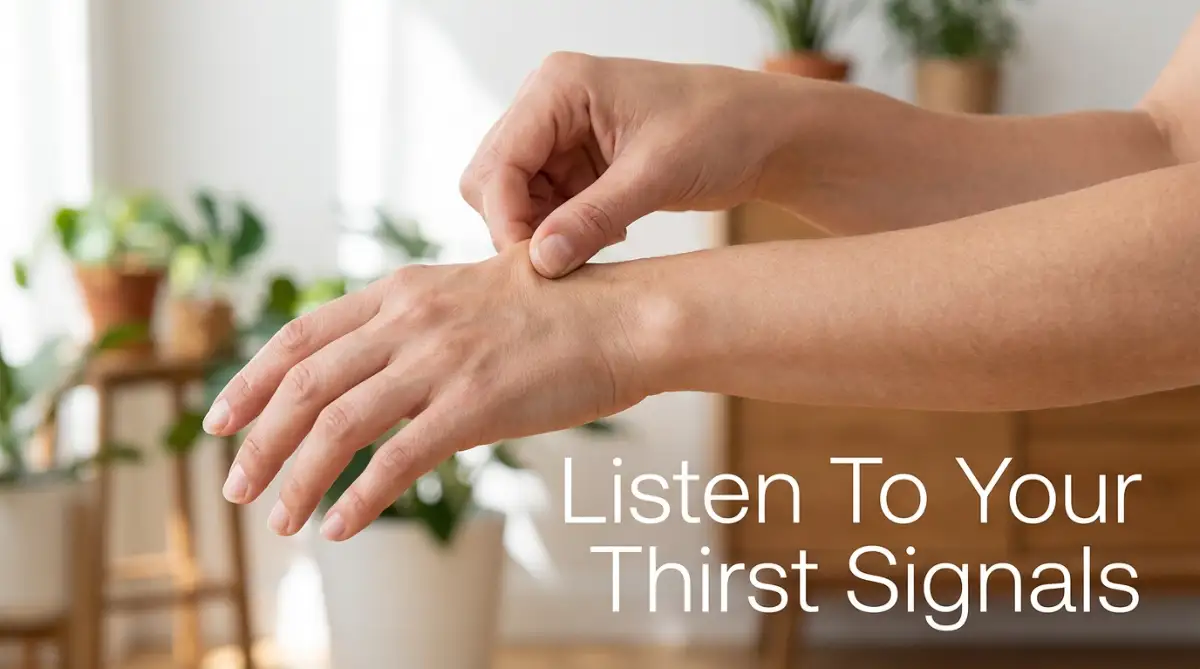
This causes your skin to look dry, flaky, and unusually dull in the mirror. There is actually a very simple way to test this at home, known as the skin turgor test.
Simply pinch the skin on the back of your hand and pull it up slightly. If the skin snaps back into place immediately, you are doing great. If it takes a few seconds to fall back down, you need to start drinking up immediately.

Here is a quick reality check you can do right now to test this out:
- The Pinch: Grab a small section of skin on the back of your hand.
- The Release: Let it go instantly.
- The Verdict: If the skin tents up and stays there for even a second, go grab a glass of water. Doctors call this the "Skin Turgor" test, and they use it in emergency rooms all the time to quickly spot dehydration.
The Color of Your Urine Tells a Story
It might sound a bit gross to talk about, but your bathroom habits are the most accurate hydration trackers in the world. When you are fully hydrated, your urine should be a very pale yellow, almost like the color of light lemonade.
If it starts looking dark yellow, gold, or even light brown, your kidneys are desperately trying to hold onto water. Strong-smelling urine is another clear indicator that waste products are too concentrated in your system.
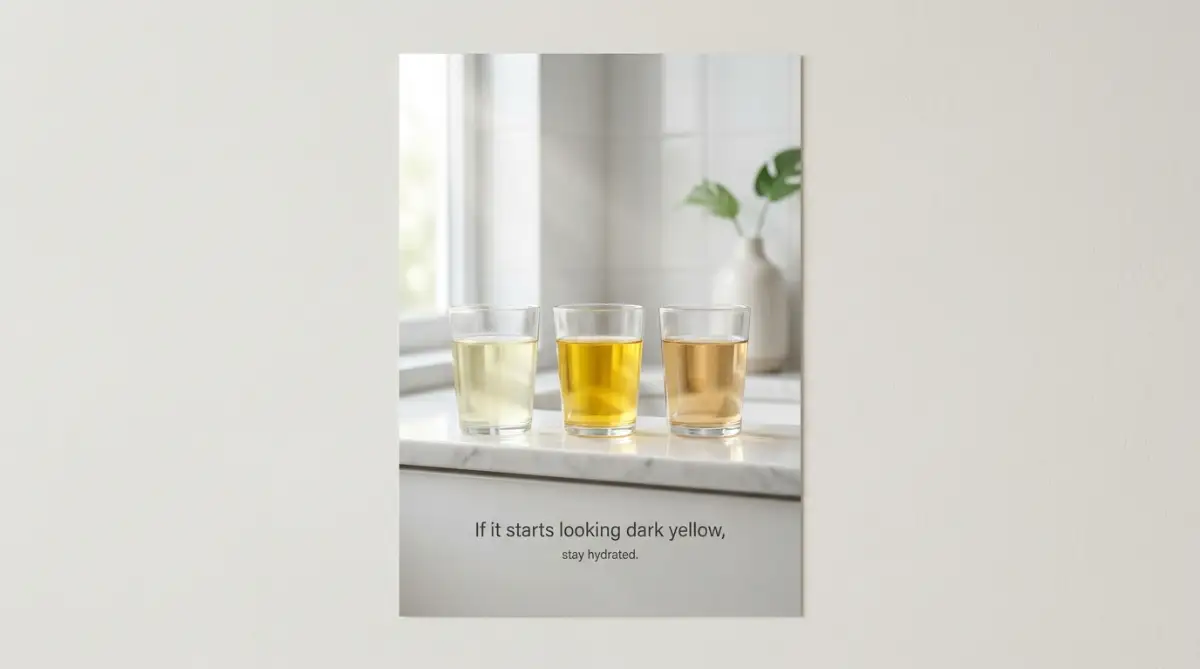
Make it a habit to take a quick glance every time you use the restroom. It is a completely free and instant health check that never lies.
Unexplained Muscle Cramps at the Worst Times
Have you ever been sleeping peacefully, only to be woken up by a sharp, painful cramp in your calf muscle? Or maybe you were just walking up the stairs when your thigh suddenly locked up.
These random muscle spasms are often directly linked to a lack of proper fluids and electrolytes. Water helps carry important minerals like potassium and sodium right into your muscle tissues.
When those fluids dry up, your muscles become highly sensitive and prone to sudden, painful contractions. Staying hydrated keeps those muscle fibers happy, relaxed, and working smoothly all day long.
How We Get It All Wrong: The Big Hydration Myths
There is so much confusing information out there about how much water we actually need to survive. A lot of old advice has been passed down for generations, even though science has proven it wrong.
Let us clear up some of the biggest misunderstandings right now. This will save you a lot of unnecessary stress and help you build better daily habits.
- The 8-Glass Rule: We have all heard that we must drink exactly eight glasses of water every single day. The truth is, your needs change based on your weight, your activity level, and even the weather outside. Listen to your own body instead of forcing a random number.
- Coffee Dries You Out: People love to say that drinking coffee or tea makes you lose more water than you gain. While caffeine is a mild diuretic, a regular cup of morning coffee still contributes to your daily fluid intake. Just do not rely on it as your only source of drinks.
- Clear Urine is the Goal: Many fitness enthusiasts think their urine needs to be completely clear like pure water. If your urine has absolutely no color, you might actually be drinking too much, which flushes out helpful minerals. Pale yellow is always the sweet spot.
Here is a quick realization from my own life that changed everything. I used to chug a massive bottle of water right before bed, thinking it would make up for the whole day. Pro Tip: Do not do this unless you love waking up at 3 AM to use the bathroom; instead, sip your water slowly throughout the morning and afternoon so your cells can actually absorb it.
A Simple Look at Mild vs Severe Symptoms
Sometimes it is hard to tell if you are just a little thirsty or if you are heading toward a dangerous medical zone. Being able to spot the difference can literally save a life, especially during hot summer months.
I created this simple comparison so you can quickly see where you stand. Keep this mental checklist handy whenever you are spending long hours outdoors.
If you ever experience the severe signs listed in the right column, plain water might not be enough anymore. Your body loses essential salts when it gets to that extreme point.
Always keep some electrolyte powder in your home medicine cabinet just in case. It is always better to be safe and prepared than to panic when you feel sick.
Let's Look at Some Real-Life Scenarios
Sometimes, medical facts are hard to picture in our daily routines. Let us look at how these sneaky signs show up in normal, everyday situations.
You might see yourself in one of these exact scenarios. Understanding the context makes it much easier to change your daily habits.
Scenario A: The Office Worker's Struggle
Imagine Sarah, who works at a desk from 9 AM to 5 PM in an air-conditioned office. Because the air is cold, she never actually feels hot or sweaty, so she never thinks to drink water.
By 3 PM, she gets a dull headache, her eyes feel dry from staring at a screen, and she feels completely unmotivated. She assumes she just needs another espresso to push through the final hours of work.
If Sarah simply kept a water bottle on her desk and took a sip every time she read an email, her afternoon slumps would disappear entirely.
Scenario B: The Busy Parent's Dizziness
Now think about Mark, a busy dad running around on a weekend doing yard work and chasing his kids. He is sweating lightly but is too distracted to go inside and grab a drink.
Suddenly, when he stands up after picking up a toy, the world spins slightly and he feels lightheaded. He brushes it off as just moving too fast, but his blood pressure actually dropped because his fluid levels were low.
If Mark carried a large insulated bottle outside with him, he could easily protect his heart and brain from these scary drops in pressure.
Practical Solutions to Start Rehydrating Today
Now that you know exactly what is going wrong, how do you fix it without making life complicated? You do not need expensive smart bottles that flash lights at you, and you do not need weird diets.
Building a good hydration habit is all about making tiny adjustments to things you already do every day. Let us break down some incredibly easy ways to get more fluids into your system.
Start Your Morning with a Big Glass
While you sleep, your body goes completely without fluids for seven or eight hours straight. You wake up naturally dehydrated every single morning, which is why your mouth feels a bit stale.
Before you even look at your coffee maker, pour yourself a large glass of room-temperature water. Drinking this right out of bed wakes up your digestive system and flushes out toxins from the night.
I started leaving a glass on my nightstand before going to sleep. Seeing it there the moment I open my eyes makes it impossible to forget.
Eat Your Water (Hydrating Foods)
Did you know that about twenty percent of your daily water intake actually comes from the food you eat? You do not have to rely entirely on drinking from a cup.
Fresh fruits like watermelon, strawberries, and oranges are packed with pure, natural water and great vitamins. Vegetables like cucumbers, celery, and iceberg lettuce are practically made of water.
Adding a big, crisp salad to your lunch or snacking on cold melon slices is a delicious way to boost your hydration levels naturally.
Flavor Your Drinks Without the Sugar
A lot of people struggle to stay hydrated simply because they find the taste of plain water extremely boring. If you hate drinking plain water, you are much less likely to reach your daily goals.
Instead of buying sugary sodas or artificial juices, try infusing your own water at home. Drop a few slices of lemon, some fresh mint leaves, or a handful of crushed berries into your pitcher.
The natural flavors will slowly seep into the water, making it crisp, refreshing, and genuinely exciting to drink.
Tie the Habit to Your Daily Routine
The hardest part about building any new habit is simply remembering to do it. The best trick is to tie your water breaks to things you already do automatically.
For example, promise yourself that you will drink half a glass of water every time you brush your teeth. Or, take a few big gulps every time you sit down to check your social media feeds.
By linking the new habit to an old one, you remove the mental effort completely. Within a week, you will find yourself reaching for your glass without even thinking about it.
Your health is your most valuable asset, and it heavily relies on something as simple as water. Do not wait for your body to send out emergency signals before you finally give it a drink.
Pay attention to your mood, your skin, and your energy levels starting today. Small, consistent sips throughout the day will protect your mind and keep your body running like a well-oiled machine.
Going Beyond the Glass: Expert Strategies for Lasting Cellular Hydration
Simply pouring water down your throat does not automatically mean your body is actually using it. Think of your body like a completely dried-out potted plant sitting in the summer sun. If you dump a massive bucket of water over that dry soil, most of it will just run off the sides and make a mess.
Your internal cells react the exact same way when you try to force too much liquid into your system all at once. To truly fix your fluid balance, you need to learn how to help your body absorb moisture slowly and efficiently. This is where most people get stuck, but the fix is actually incredibly simple once you understand the science.
The real secret to staying energized all day lies in a tiny concept called cellular hydration. Pure water alone is sometimes not enough to actually enter your cells where it is needed most. Your body needs a very specific balance of natural minerals, like sodium, potassium, and magnesium, to pull that water inside.
According to how researchers explain the way electrolytes maintain cellular function, these minerals act like tiny magnetic doorways on the outside of your cells. When you sweat or use the restroom, you do not just lose water; you also lose these essential mineral keys. If you only drink plain, heavily filtered water, you are filling your stomach but starving your actual muscle tissues.
This is exactly why adjusting your daily food choices to include water-rich, mineral-dense foods is so important for your long-term health. You can easily get these natural electrolytes by eating a small handful of almonds, a banana, or a slice of avocado with your lunch. Some experts even recommend adding just a tiny pinch of natural sea salt to your morning glass of water.
You will not even taste the salt, but your cells will immediately grab onto that water and put it to good use. This simple morning habit completely transforms how your brain functions during those difficult early working hours. You will feel sharper, your skin will look much brighter, and that afternoon brain fog will slowly become a thing of the past.
Another amazing professional tip is to pay close attention to the actual temperature of the liquids you drink. Many people love chewing on ice or drinking freezing cold water, especially after a tough workout or a walk outside. However, your stomach actually has to use up a lot of extra energy to heat that freezing water up to your normal body temperature.
This heating process can sometimes delay how quickly the moisture actually gets into your bloodstream. If you want the fastest relief possible, always try to drink room-temperature water throughout your day. Your digestive system will instantly accept it, processing the fluids without any unnecessary internal stress.
Finally, you need to start thinking about your fluid intake in small, manageable blocks of time rather than a daily total. Instead of saying you will drink two liters today, promise yourself you will take four sips every single hour. This steady, slow-drip method keeps your blood pressure perfectly stable and prevents your kidneys from going into overdrive.
By building these small, invisible habits into your normal routine, you stop treating hydration like a difficult chore. It simply becomes a seamless part of how you live, naturally building daily routines that keep you feeling young and highly active.

The Hidden Hydration Traps Destroying Your Health
We all try our best to stay healthy, but there is a lot of terrible advice floating around the internet right now. People often try to solve their thirst problems using extreme methods that actually do much more harm than good.
Let us look closely at the dangerous pitfalls that easily trap normal people who are just trying to feel better. Avoiding these common mistakes will save you from unnecessary hospital visits and keep your organs functioning perfectly.
The Danger of the "Waterfall Method"
One of the most terrifying trends in modern fitness is the idea of carrying around a massive gallon jug of water and chugging it constantly. People often realize at 6 PM that they forgot to drink anything, so they try to consume a whole day's worth of water in one sitting.
When you flood your system this fast, your kidneys simply cannot process the heavy volume of liquid. This causes a very real and dangerous medical condition where the sodium levels in your blood drop dangerously low.
In fact, medical experts strongly warn about the dangers of water intoxication, which can cause severe brain swelling, extreme dizziness, and even seizures. You must respect your body's natural limits and give your stomach time to process what you consume.
Getting Tricked by Artificial Sports Drinks
Walk into any grocery store, and you will see entire aisles dedicated to brightly colored sports drinks promising extreme hydration. The marketing makes you believe that you need these neon liquids to survive a simple walk in the park or a basic yoga class.
The sad reality is that most of these popular beverages are absolutely loaded with refined sugars and artificial food dyes. When you drink a massive bottle of liquid sugar, your body actually has to use its own water reserves to process and digest that heavy syrup.
These sugary habits act as hidden health dangers in our everyday routines, quietly increasing your risk of weight gain and chronic inflammation. Unless you are running a marathon or doing intense physical labor in the hot sun, plain water with a slice of lemon is always your safest choice.
The Silent Threat of Winter Weather
Most people strongly associate sweating and fluid loss with hot summer days, beach trips, and heavy sunshine. Because of this mindset, they completely stop tracking their water intake the moment the weather gets cold and they put on a sweater.
This is a massive mistake because cold weather is secretly one of the biggest causes of severe fluid loss. When you turn on the central heating in your home or office, you are pumping completely dry, moisture-free air into your environment.
Every single time you exhale in a dry, heated room, you are breathing out precious water vapor. Over a few hours, this invisible moisture loss can leave you feeling completely exhausted, causing dry lips and scratchy throats. You need to keep drinking your daily fluids even when there is snow on the ground outside.
Treating the Symptom Instead of the Root Cause
Imagine you are driving your car on the highway and the red "low oil" light flashes on your dashboard. You would never grab a hammer and smash the light bulb just to make the annoying red glow disappear.
Unfortunately, this is exactly how millions of people treat their own bodies when they experience early warning signs. They get a severe headache, and instead of drinking water, they immediately swallow two heavy pain pills.
They feel tired at their desk, so they reach for a sugary energy drink that eventually leaves them weakening their body's natural defenses and feeling worse later. By masking the pain with pills and caffeine, you are completely ignoring your body's desperate cry for basic fluids.
Thinking Lotions Can Fix Deep Tissue Problems
When people notice their skin looking flaky, dull, or extremely dry, their first instinct is usually to buy an expensive moisturizing cream. They spend lots of money rubbing heavy oils on the outside of their bodies, hoping to fix the problem from the top down.
While good skincare is always nice, your skin cells are created from the inside out. If you are chronically low on water, no amount of expensive lotion will ever give you that natural, healthy glow.
Your body is literally pulling moisture away from your skin to keep your heart and lungs working properly. You have to fix the internal drought before you can expect the outside of your body to look healthy and vibrant.
A Fresh Start for Your Physical and Mental Energy
Taking control of your internal fluid levels is honestly one of the greatest gifts you can ever give yourself. You do not need to buy expensive equipment, follow strict diets, or track every single drop of liquid you consume.
It is all about becoming naturally aware of what your body is trying to tell you throughout the day. When you finally give your cells the moisture they crave, the positive changes in your life will feel almost magical.
Your joints will stop clicking and hurting, your digestion will smooth out, and your mind will feel incredibly sharp and focused. You will suddenly realize that you never actually needed those afternoon naps; you were just running on an empty tank.
Making these tiny, daily changes is the ultimate form of self-care. It protects your heart, supports your kidneys, and ensures you have the physical strength to enjoy your life to the absolute fullest.
I finally got my true energy back when I stopped treating water like a boring medicine I had to choke down every single day. My awful afternoon brain fog is completely gone now, and I actually wake up feeling genuinely rested and excited for the morning. Just start with one extra glass of water right now, and I promise your body will thank you for it tomorrow.
Common Questions About Staying Hydrated
Does drinking coffee or tea count toward my daily water goals?
Yes, they absolutely do count toward your total liquid intake for the day. While caffeine can make you use the bathroom a bit more frequently, the large amount of water in your coffee still provides a net gain in hydration. Just make sure you balance these out with plenty of fresh, plain water throughout the afternoon.
Why do I still feel incredibly thirsty right after chugging a huge glass of water?
This usually happens because your body is missing essential electrolytes, specifically sodium and potassium. When you drink plain water without these minerals, your cells struggle to absorb the liquid effectively. Try eating a small, salty snack or a piece of fruit with your water to help your body lock that moisture in.
Is it dangerous to drink freezing cold water when I am sweating?
Drinking ice-cold water is not inherently dangerous, but it can sometimes shock your stomach and cause mild cramping. Your body also has to expend extra energy to warm that freezing liquid up to your internal temperature before absorbing it. If you want to rehydrate quickly and comfortably, slightly cool or room-temperature water is always your best option.
How can I easily check if my body is properly hydrated right now?
The absolute easiest and most reliable way is to simply check the color of your urine when you use the restroom. If it looks like pale, watered-down lemonade, you are doing a fantastic job. If it starts looking dark yellow or smells very strong, you need to grab a glass of water immediately.
What should I do if I absolutely hate the taste of plain water?
You do not have to force yourself to drink something you hate. Try adding natural flavor boosters like cucumber slices, fresh mint, or a squeeze of fresh orange juice to your glass. You can also eat more water-heavy fruits like watermelon and strawberries to help meet your daily fluid needs naturally.
Medical Disclaimer: The information provided in this blog post is for educational and informational purposes only and is not intended as professional medical advice. Always consult with a qualified healthcare provider or doctor before making any major changes to your diet, hydration habits, or health routines, especially if you have underlying medical conditions or take prescription medications.